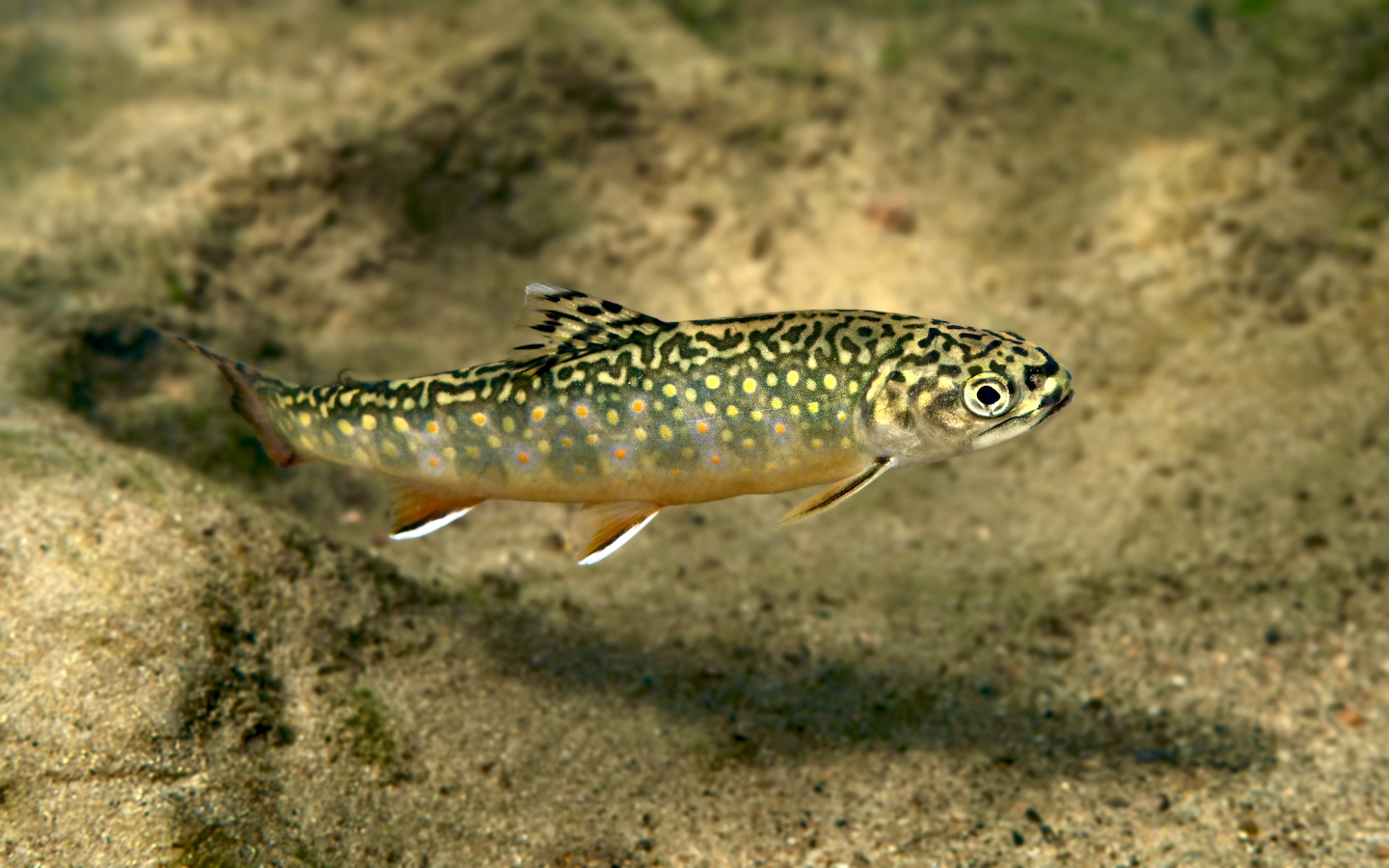
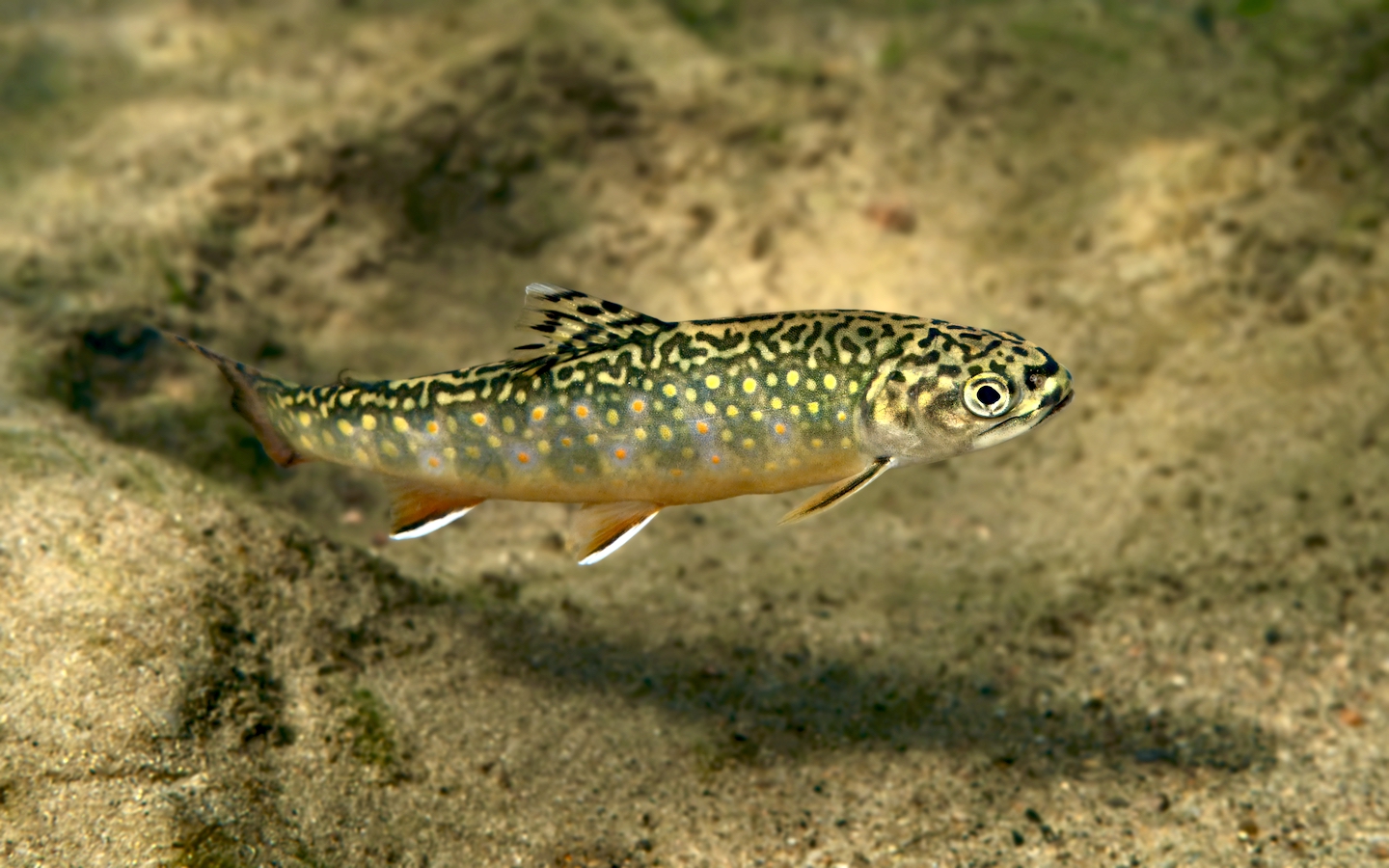
A landmark USGS research study files 4 years of healing in 42 Adirondack streams, while a brand-new DEC management strategy challenges intrusive types, environment loss, and a warming environment.
Brook trout ( Salvelinus fontinalis) now inhabit 33 of 42 western Adirondack study streams— majority of which held no trout in the mid-1980s– according to a peer-reviewed U.S. Geological Survey study released in Freshwater Science in December 2025. The research study, commissioned by the New york city State Energy Research Study and Advancement Authority (NYSERDA), covers more than 40 years of water-chemistry and fish-population information– the most thorough biological accounting yet of the federal Acid Rain Program’s lead to the area.
Across the country sulfur dioxide emissions, the chief chauffeur of acid rain, fell 94% in between 1990 and 2021. In the research study streams, fish types variety increased 112%, overall fish density leapt 236%, and general fish biomass climbed up 66%. Concentrations of inorganic aluminum– the substance that eliminated brook trout and other types outright– dropped to a portion of their 1980s levels.
The Rebound Has a Ceiling
The healing, nevertheless, is unequal. Over half of the 42 websites held no brook trout throughout preliminary studies in 1984– 89. By 2023, trout inhabited 33 of them– a clear variety growth. However after an early population rise recorded around 2000, trout density and biomass gains stalled. USGS fisheries researcher Scott George informed the Adirondack Explorer that the bulk of the enhancement came in between the 1980s and early 2000s, which in the previous 20 years density has actually plateaued even as brook trout have actually infected more streams.
The most likely description is competitors. As water quality enhanced, other fish types rebounded much faster and harder. Blacknose dace, creek chub, and other types filled the area that brook trout as soon as controlled as stream neighborhoods diversified. The USGS group explained the brook trout healing as “rather unclear.”
A 2nd restricting aspect sits underground. Years of acid deposition removed calcium from Adirondack soils– a mineral that reduces the effects of level of acidity and underpins the water food web. Retired USGS researcher and lead research study author Barry Baldigo kept in mind that those reserves are mainly gone, and the sluggish weathering of bedrock can not renew them at anything near to the rate they were lost.
New Strategy, New Threats
On January 5, the New York City State Department of Environmental Preservation (DEC) released the final Adirondack Brook Trout Pond Management Plan, the very first overhaul of pond-management method because 1979. The 15-year strategy covers approximately 411 openly available ponds throughout the Adirondack Park and challenges a grim standard: as much as 90% of historical brook trout pond environment has actually been lost to logging damage, acid rainfall, and intros of incompatible fish.
The strategy’s most substantial regulative shift is a proposed turnaround of baitfish guidelines. Under existing guidelines, live baitfish are allowed by default in many Adirondack waters. The brand-new structure would prohibit live baitfish by default, permitting their usage just in 143 designated lakes with recognized warm-water fisheries. The policy modification still needs official rulemaking and a public remark duration, with DEC targeting 2026 for adoption.
Other arrangements standardize the day-to-day brook trout creel limitation at 5 fish throughout all Adirondack Park ponds, focus on self-reliant wild populations over hatchery equipping, and broaden heritage broodstock programs utilizing genetically unique native stress– Horn Lake, Little Tupper, and Windfall amongst them. DEC likewise revealed $100 million from the state’s Environmental Bond Act and other capital funds for hatchery upgrades, consisting of a brand-new brook trout broodstock center at the Adirondack Fish Hatchery.
The Oxythermal Capture
Even as acid rain declines, a more scattered risk is closing in. Research study released in the Procedures of the National Academy of Sciences by Cornell University researchers Stephen Jane and Peter McIntyre discovered that only about 5% of Adirondack lakes might maintain ideal cold-water environment under existing warming and browning patterns. In the 1980s, approximately 23% of the park’s lakes fulfilled that limit.
The system is a phenomenon called lake browning. Liquified natural carbon from forest soils– seeping more easily now that acid rain no longer reduces it– spots lake water tea-brown. That tinted water soaks up solar heat at the surface area, speeding up warming in the upper layers while obstructing sunshine from permeating much deeper. The outcome is a stratified water column: warm, oxygenated water on the top and cold, oxygen-depleted water listed below. Brook trout, which require both cold temperature levels and sufficient liquified oxygen, get captured in between– a narrowing band the scientists call the “oxythermal capture.”
Adirondack lakes are warming at rates more than double the worldwide temperate-lake average, according to the Cornell information. In a bulk of the park’s lakes, the habitable zone for brook trout throughout peak summertime tension has actually diminished to less than 5 feet of water column. The inmost lakes– those over 30 meters– withstand the capture, however they represent less than 1% of Adirondack lakes.
What It Implies for Anglers
The acid rain healing is real and worth acknowledging: 4 years of emissions policy provided quantifiable biological lead to white water. The Adirondack Council, in a declaration accompanying the USGS release, called the Acid Rain Program among the most reliable ecological guidelines because the 1970s.
For anglers preparing a 2026 season in the Adirondacks, the useful image is blended. Brook trout inhabit more streams than at any point because the early 1980s, and the DEC strategy indicates a more powerful dedication to wild, self-reliant populations over put-and-take equipping. Heritage-strain brook trout in backcountry ponds stay among the rarest fishing experiences in the Lower 48.
However the fishery is vulnerable. The baitfish guideline modification, if embraced, will improve how some anglers approach Adirondack ponds. And the long-lasting trajectory– warmer water, browner lakes, compressed environment– implies that the cold-water refuges these fish depend upon are diminishing. The policy lever that reversed acid rain worked. The levers offered for warming water and moving communities are more difficult to pull.