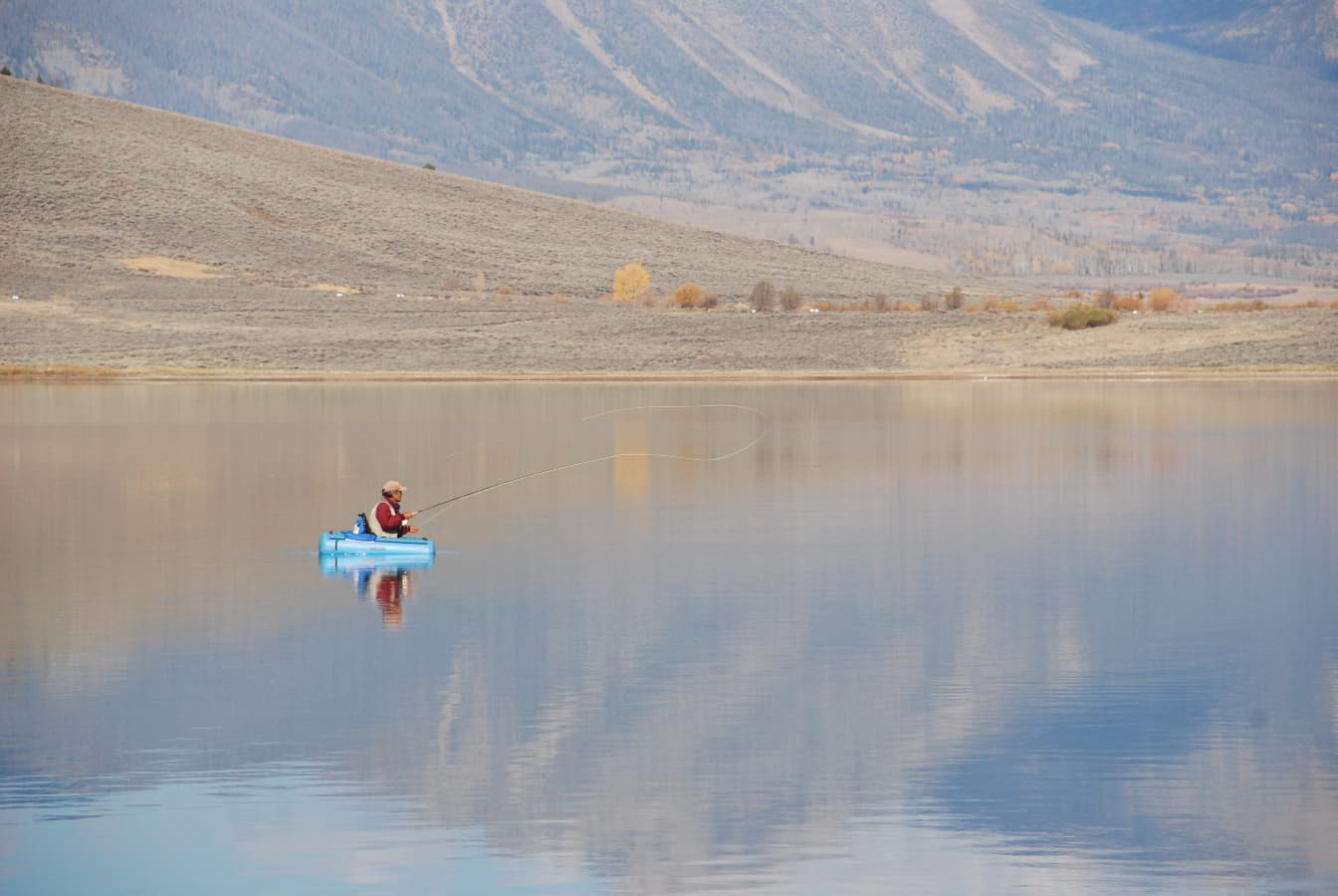
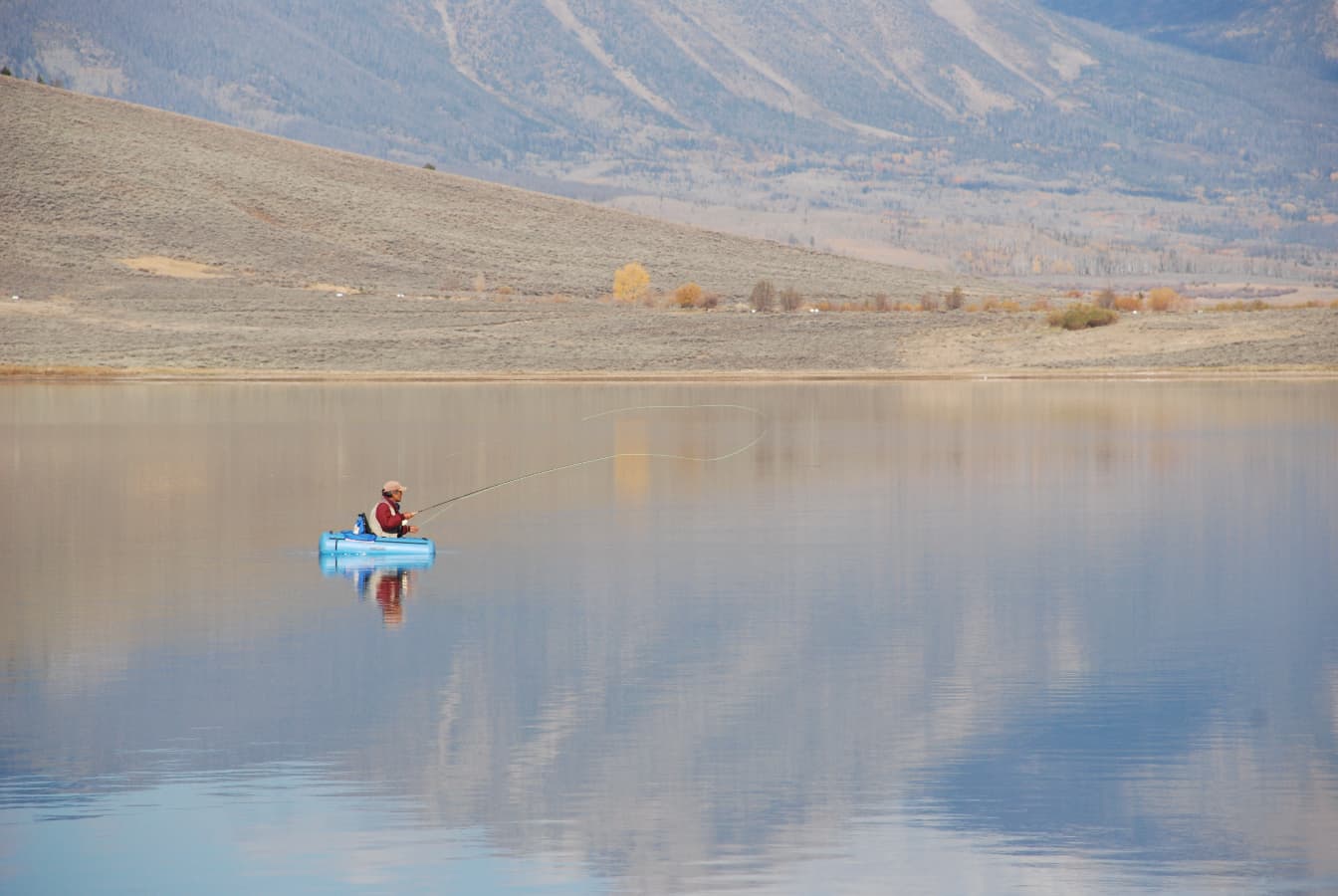
The MAPWaters Act, checked in late December, provides firms 5 years to digitize gain access to points, fishing limitations, and boating policies on all federally handled waters.
The Updating Access to Our Public Waters Act is now law. The Senate passed the bill unanimously on December 16, 2025, and President Trump signed it on December 26 as Public Law 119–62.
The law needs the U.S. Forest Service and the Department of the Interior– covering the National forest Service, Bureau of Land Management, U.S. Fish and Wildlife Service, and Bureau of Improvement– to digitize and release online all information associated with leisure gain access to on federal waterways. That indicates gain access to points, boat ramps, fishing piers, boat limitations (motorized versus non-motorized, horse power limitations), wake zones, catch-and-release requirements, barbless-hook requireds, and seasonal closures. The information should be released in GIS-compatible formats developed to feed straight into GPS apps and mapping platforms like onX.
Agencies have 30 months to establish joint information requirements and 5 years to finish full digitization and publication.
Why It Matters for Anglers
Anybody who has actually brought up to a federal tank or a Wild and Picturesque river sector and attempted to find out the guidelines understands the issue. 7 federal firms under 4 cabinet-level secretaries hold some jurisdiction over accessible waters. Laws reside on spread firm sites, in paper kiosks at boat ramps, or no place at all. The Congressional Sportsmen’s Foundation has long mentioned gain access to confusion as the single most significant barrier to angler involvement.
The MAPWaters Act addresses that by needing a centralized, standardized digital dataset– a single layer of regulative details an angler can bring up on a phone the method hunters currently inspect border maps on public land.
The MAP Suite
The law is the 2nd in a household of bipartisan mapping costs. The MAPLand Act, checked in 2022, directed firms to digitize public-land gain access to details, consisting of easements and rights-of-way throughout personal land. That work is underway, with a 2027 compliance due date.
With MAPWaters enacted, preservation groups are now pressing 2 buddy procedures. The MAPOceans Act, led by Senators Ted Cruz (R-Texas) and Angus King (I-Maine), would extend comparable requirements to NOAA for saltwater fisheries, marine limited locations, and ocean navigation information. The Senate passed MAPOceans in late 2025; it waits for Home action. The MAPRoads Act would develop a grant program to map rural public roadways– a relentless headache in the rural West where roadway status is frequently uncertain.
The Execution Clock
Signing the costs was the simple part. The Department of the Interior flagged implementation concerns throughout the legal procedure, pointing out lessons gained from the MAPLand rollout. The department kept in mind that the initial four-year timeline was enthusiastic– Congress eventually extended it to 5– which the scope of information included, from ambulatory waterway limits to seasonal variations in water levels, is massive.
The law likewise leaves some spaces. It covers just federal waters. State and Tribal fishing policies, which most anglers come across much more frequently, are not consisted of. And firms like the Army Corps of Engineers, NOAA, and the Coast Guard– all of which handle considerable waterways– fall outside the costs’s required unless future legislation pulls them in.
The law needs yearly development reports to Congress through March 2034.
Who Made It Occur
The MAPWaters Act was led in your home by Rep. Blake Moore (R-Utah) with Reps. Jimmy Panetta (D-California), Russ Fulcher (R-Idaho), and Debbie Dingell (D-Michigan). In the Senate, Senators John Barrasso (R-Wyoming) and Angus King (I-Maine) brought the costs. Senators Mike Lee (R-Utah) and Martin Heinrich (D-New Mexico) assisted press it throughout the goal in the last days of the session.
The costs drew assistance from throughout the outside market: the Theodore Roosevelt Conservation Partnership, Trout Unlimited, the American Sportfishing Association, the Congressional Sportsmen’s Structure, onX, and TroutRoutes.
For anglers, the useful benefit is still years away. However the law sets a company due date, backed by yearly reporting, for an issue the fishing neighborhood has actually whined about for years: understanding the guidelines before you get to the water.