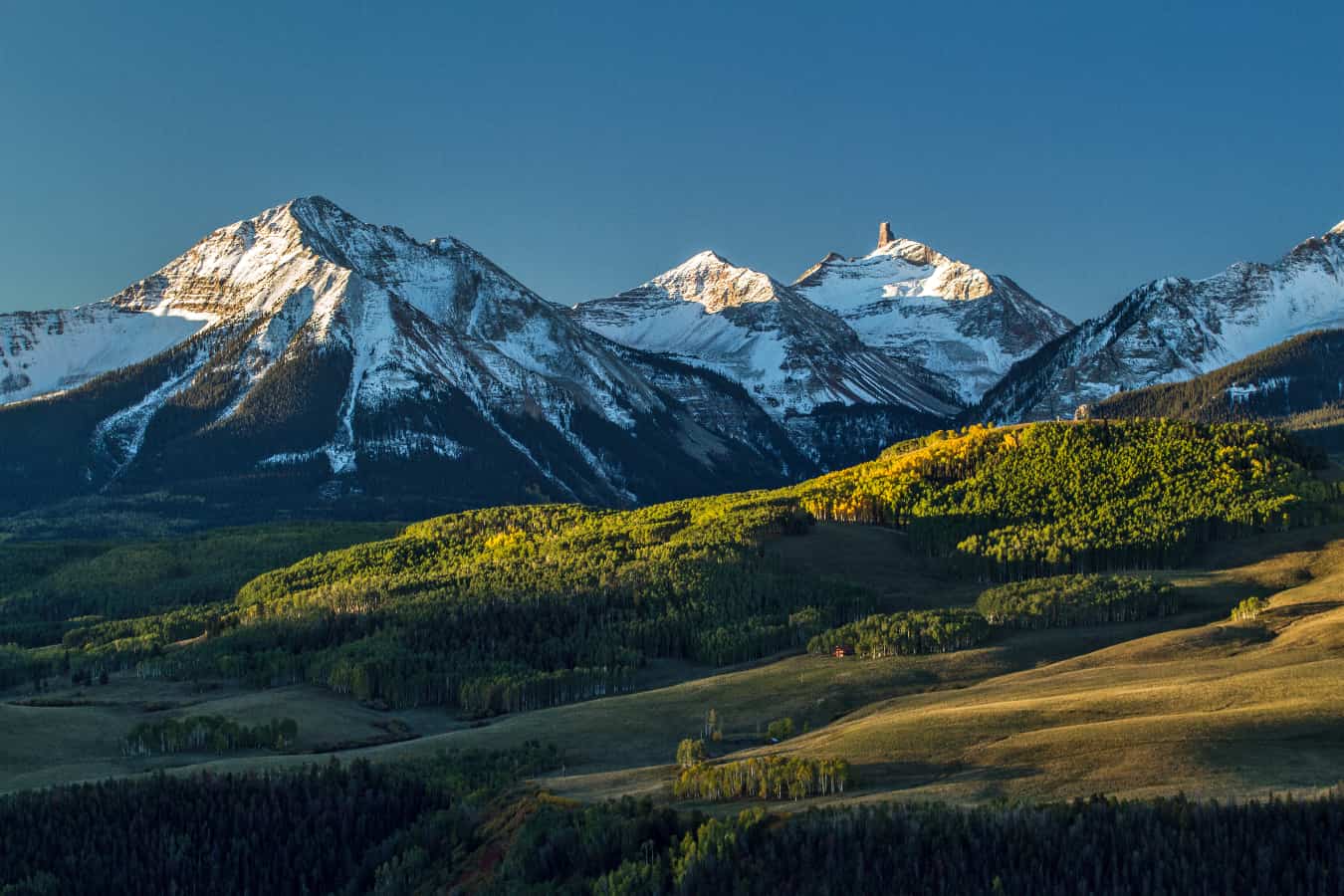
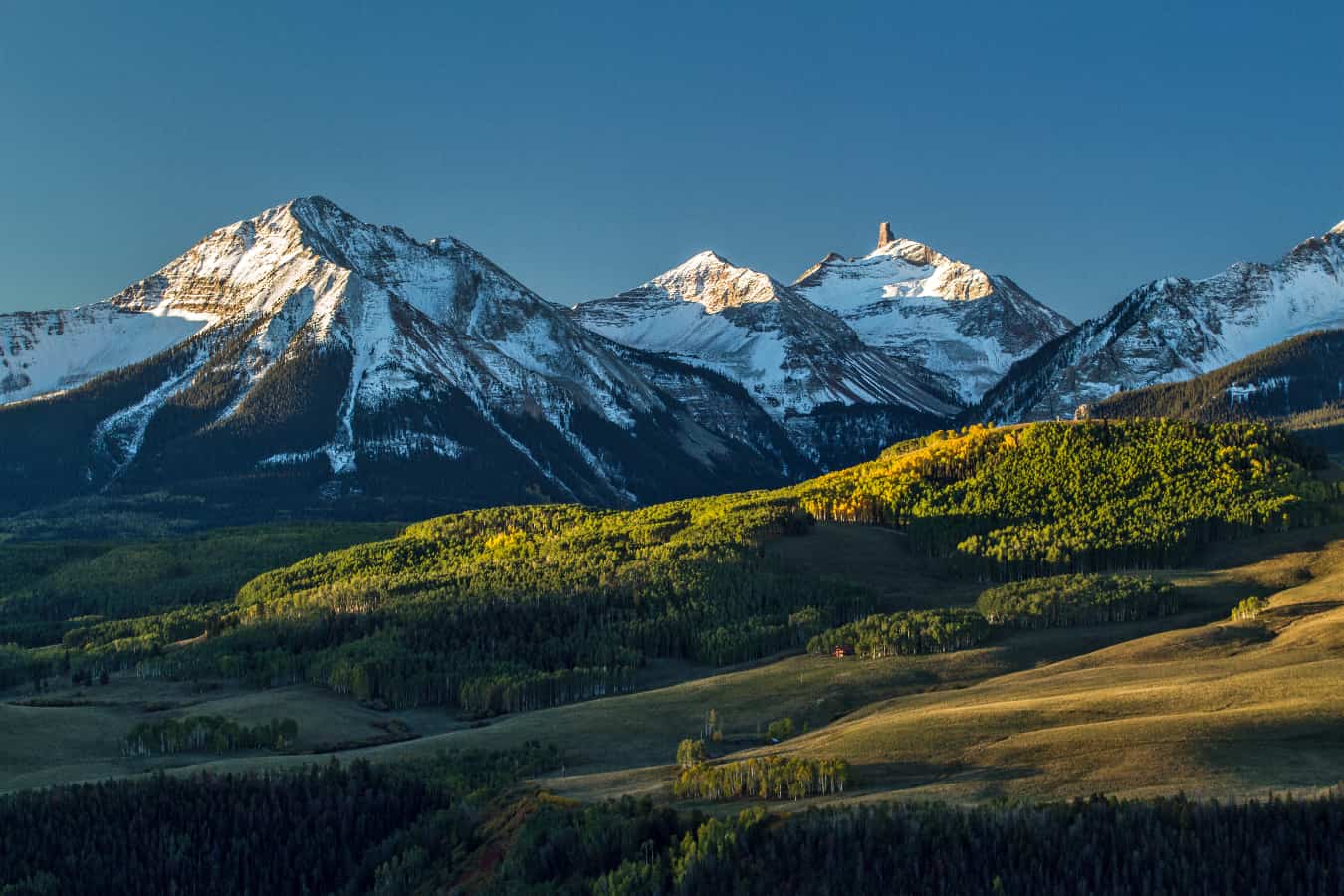
Image by Wesley Aston
A warm, dry February removed what little bit optimism stayed for western snowpack healing, leaving Colorado, Utah, and Montana dealing with a few of the worst snow water comparable readings in their contemporary records heading into March. For fly fishers preparing summer season journeys to Rocky Mountain freestone rivers, the numbers point towards an early and penalizing season of low circulations, warm water, and fishing limitations that might get here weeks ahead of schedule.
The 2026 snow dry spell is not a rainfall dry spell– that difference matters. A lot of western basins gotten typical or above-average rainfall in fall and early winter season, however record warmth implied much of it fell as rain instead of snow. NASA satellite information revealed western snow cover on January 15 at approximately 142,700 square miles–the lowest for that date in the MODIS record dating to 2001 and less than one-third of the mean. Warm climatic rivers provided wetness, however the freezing line sat so high that the mountains could not bank it as snow.
Colorado and Utah: The Most Awful of It
Colorado’s main Rockies remain in the inmost difficulty. Denver Water reported that since March 2, the South Platte Basin within its collection system stood at 49% of regular– the worst on record for that date– while the Colorado River Basin side was at 62%, the 2nd worst. The energy, which depends upon mountain snowpack for 90% of its supply to 1.5 million individuals, stated extra drought-response watering limitations are most likely this summer season. To reach a regular spring peak, Denver Water would require an extra 8 to 10 feet of snow– a figure that grows more unlikely by the week.
Utah’s image is likewise grim. The state’s March 1 snow water comparable sits at 61% of median, according to the Natural Resources Preservation Service, with 29 of Utah’s 140 SNOTEL tracking websites reporting their lowest-ever readings. 6 significant basins have actually struck record-low SWE, and the NRCS warned that record-poor overflow might follow in several basins. A plain elevational split specifies the season: high-altitude websites like Spirit Lake in the Uintas report near-normal conditions at 97%, while stations simply a thousand feet lower being in the bottom fifth percentile of their records.
Colorado Parks and Wildlife is hosting a public meeting tonight (March 10) in Granby to talk about fish populations and current management modifications at Grand County tanks– Grand Lake, Lake Granby, and Shadow Mountain– a prompt discussion provided the pressures developing on Colorado’s fisheries.
Montana: Early Gains Lost
Montana, which MidCurrent’s January report flagged as a possible intense area after December’s climatic river pressed some basins well above regular, has actually taken a dogleg. A warm February deteriorated earlier gains throughout the state. The Flathead Basin dropped to 73% of average getting in March, the Kootenai to 84%, and 95% of the state is now experiencing dry spell conditions– up from 52% at the end of December.
The statewide image is extreme. Of the 232 snow monitoring stations with at least 30 years of data, 24 taped their lowest-ever March 1 snow water equivalent, 26 their 2nd most affordable, and an extra 28 fell in the most affordable 5 years on record. NRCS hydrologist Florence Miller kept in mind the plain elevational contrast– greater websites holding closer to regular while low-elevation stations are setting records for the incorrect factors.
” Offered the fundamental unpredictability of early spring projections, and the absence of valley snow, it might be sensible for water users to make conservative management decisions,” Miller stated in the March water system outlook.
What This Implies on the Water
The waterfall from snowpack to fishing conditions goes through a familiar chain: less saved snow indicates less progressive melt, earlier peak overflow, lower base circulations by summer, and warmer water temperature levels earlier. Freestone rivers in Utah, Colorado, and the Pacific Northwest deal with the greatest danger, while tailwaters that depend on tank storage– the Green listed below Flaming Canyon, the Fryingpan listed below Ruedi– use more stability.
Montana’s hoot owl limitations are the clearest early-warning indication. Last summer season, 14 western Montana rivers and numerous Yellowstone Park waterways were under limitations or closures as water temperature levels surpassed 73 degrees Fahrenheit for 3 successive days– the limit at which Montana Fish, Wildlife & Parks carries out afternoon fishing restrictions. The Big Hole, Bitterroot, Jefferson, Beaverhead, Madison, Clark Fork, Gallatin, and Smith rivers were all impacted. With lower snowpack entering into 2026, those limitations are most likely to begin earlier and cover more water.
Yellowstone National forest has actually currently made an informing adjustment. In January, park authorities announced that the Firehole, Gibbon, and Madison rivers will open to fishing on May 1 this year– weeks ahead of the standard Memorial Day weekend opener. The choice shows the increasing frequency of summer closures on these thermally affected rivers, where the Firehole has actually frequently surpassed 80 degrees by late June over the last few years. The park is successfully providing anglers an earlier window while conditions stay feasible, acknowledging that the back end of the season is diminishing.
The Larger Water Photo
The snow dry spell lands at an inflection point for western water policy. The Bureau of Improvement launched its draft environmental impact statement for post-2026 Colorado River operations in January, examining 5 management options for Lake Powell and Lake Mead after the present standards end this year. The general public remark duration closed March 2. The 7 basin states have actually not reached agreement, and Improvement has actually dedicated to a choice before October 1– the start of the 2027 water year.
For fly fishers, the Colorado River settlements are generally background sound, however the connections are direct. How Glen Canyon Dam releases are handled impacts the tailwater fishery listed below it, and allotment choices ripple through every tributary system in the basin. Preservation companies consisting of Trout Unlimited sent official remarks throughout the procedure.
Wildfire includes another layer of danger. The National Interagency Fire Center’s March outlook kept in mind that late-spring and early-summer fire activity will depend greatly on short-term rainfall patterns. Consistent dryness in parts of the West– especially east of the Cascades and in the southern Rockies– has actually raised issue, though heavy spring rainfall might still moderate the worst results. Fire seasons over the last few years have actually hammered western watersheds with sediment loads and particles streams that break down fisheries for many years after the flames pass.
What to Enjoy
March and April storms might still improve the image. Denver Water kept in mind that in previous years, dry starts have actually in some cases been saved by heavy late-season snowfall. However the window is closing. The La Niña pattern that drove a few of the winter season heat is anticipated to fade into ENSO-neutral conditions, with growing chances of El Niño by summer season– a pattern that traditionally does not prefer the southern Rockies for rainfall.
For anglers preparing summer season journeys, the useful calculus is simple: see the assesses, not the calendar. SNOTEL readings, USGS stream assesses, and water temperature level information inform a more truthful story than custom does. Tailwaters, high-country streams, and northern Montana and Wyoming stay the much safer bets. And if hoot owl limitations get here in June rather of mid-July, that will not be a surprise– it will be the projection playing out.