Image by goodluz
9 months after a single brown trout photo set off among northwest Montana’s many immediate fisheries examinations, Montana Fish, Wildlife & Parks states eDNA screening discovered no trace of the nonnative fish– however the firm isn’t standing down. As guides and anglers go back to the Flathead River drainage this spring, FWP is still asking everybody on the water to eliminate any brown trout captured and bring the fish to the Area 1 workplace in Kalispell.
The Detection That Began All Of It
In early June 2025, a regional guide reported that a customer had actually landed a brown trout on the Flathead River in between Pressentine and Kettle fishing gain access to websites near Evergreen. The guide photographed the fish, validated the kill, however did not keep the carcass– removing any opportunity for biologists to take a look at the fish’s otolith and trace its origin. FWP confirmed the detection via press release on July 14, 2025, and the examination was on.
The Flathead River drain above SKQ Dam– the Séliš Ksanka Ql’ ispé Dam at the outlet of Flathead Lake– has actually been thoroughly protected as a fortress for native westslope aggressive trout andfederally threatened bull trout (Salvelinus confluentus) Brown trout listed below the dam prevail; above it, the impoundment has actually operated as a blockaded barrier to natural upstream migration for years. The only possible description for a brown trout above the dam, stated FWP Fisheries Management Biologist Kenny Breidinger, was human intervention.
Jim Vashro, previous fisheries supervisor for FWP Area 1, kept in mind that brown trout have actually currently developed themselves in the Thompson River and the Kootenai River downstream of Kootenai Falls through unlawful intros. “At this moment, any detection of brown trout in the Flathead River has actually got to be some sort of pail biology,” he stated.
What eDNA Found– and Didn’t Discover
To evaluate the scope of the invasion, FWP gathered water samples from 13 websites in between Old Steel Bridge and Kettle Bridge, processing them for trace hereditary product from brown trout. The samples, examined at an outdoors lab, returned unfavorable throughout the board.
The chances of an eDNA struck scale with population size: a self-sufficient reproducing population would likely leave a signal. Thirteen successive misses out on deal significant peace of mind.
” We’re confident that there’s not a brown trout population in the river,” Breidinger informed the Daily Inter Lake in February 2026. He likewise acknowledged unpredictability about the initial report itself. The guide’s photo was angled towards the bottom of a boat without any noticeable landmarks, and Breidinger stated he was never ever able to totally verify the fish was captured where reported. “We never ever had the ability to verify this was a genuine report,” he stated.
That uncertainty cuts both methods. If the report was precise, the fish might have been a separated person instead of the leading edge of a recognized population. If it wasn’t captured in the Flathead drain at all, the hazard level drops even more. In either case, FWP is not stating the case closed.
Why the Risk Still Matters
Brown trout posture layered issues for native salmonids. They outcompete westslope aggressive trout and bull trout for food and holding water and victim actively on juvenile fish. Breidinger likewise kept in mind that due to the fact that brown trout typically generate in fall simply after bull trout in much of the very same tributaries, they have actually been understood to interrupt native redds.
The drain has actually made it through a brush with this before. More than 25 years earlier, brown trout left from the Creston National Fish Hatchery into Mill Creek, a Flathead tributary. FWP installed a suppression effort that, over a number of years, appeared to get rid of the fish before a reproducing population might take hold. Subsequent eDNA tests in Mill Creek discovered no brown trout. The firm’s reaction to the 2025 detection drew straight on that playbook.
” If there were a recreating population of brown trout, I believe we would understand about it,” Breidinger stated in July 2025. “We are quite positive that this was an outcome of a prohibited intro and not from some unidentified population.”
Moving live fish in between Montana waterbodies is unlawful. Infractions can lead to fines, jail time, and loss of fishing and searching licenses.
What Anglers Ought To Do
FWP’s standing regulation for the Flathead drain stays in impact: any brown trout captured in the Flathead River or its tributaries should be eliminated right away. Anglers need to keep the fish and get in touch with the FWP Area 1 workplace in Kalispell at 406-752-5501, supplying the date and precise place of the catch.
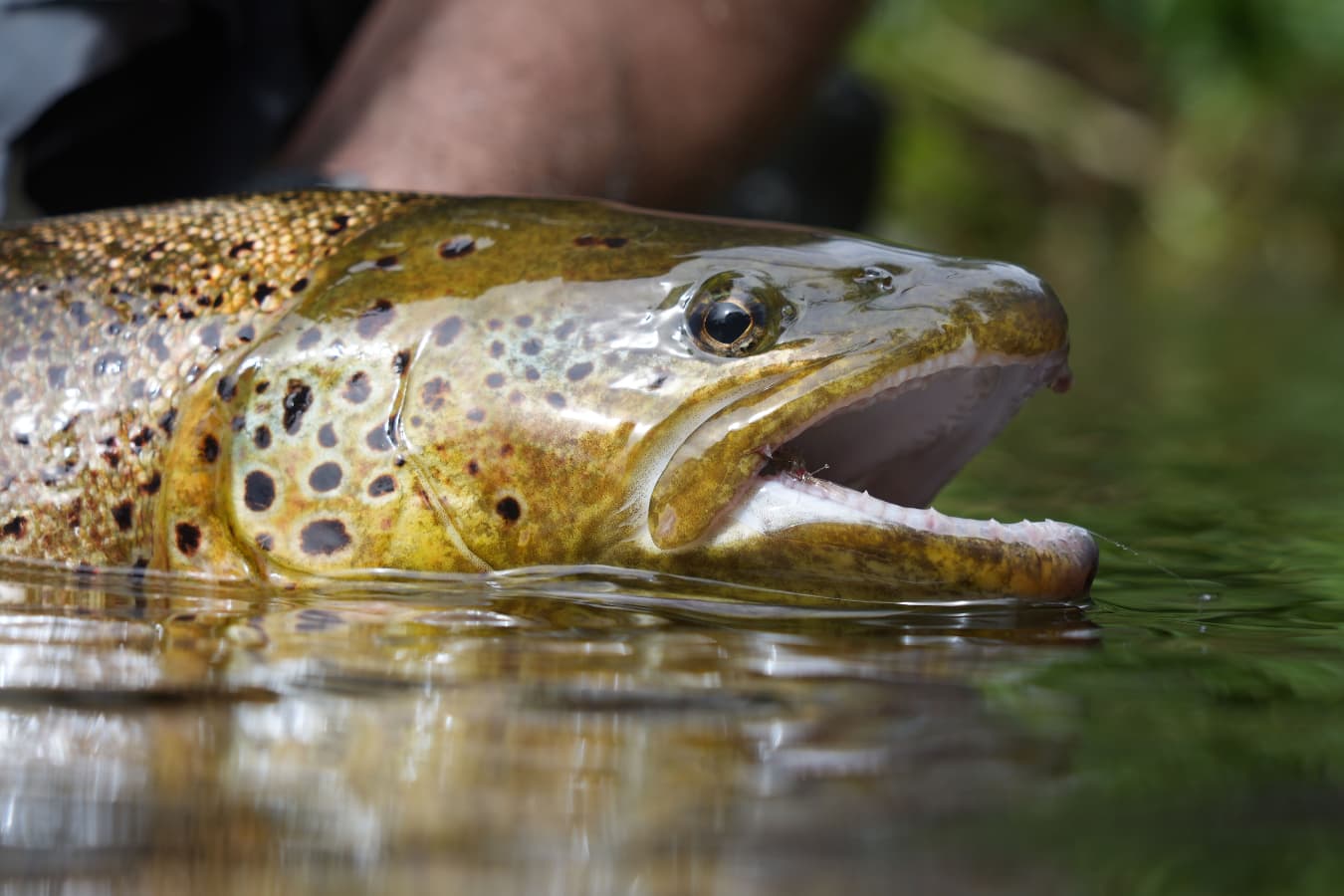
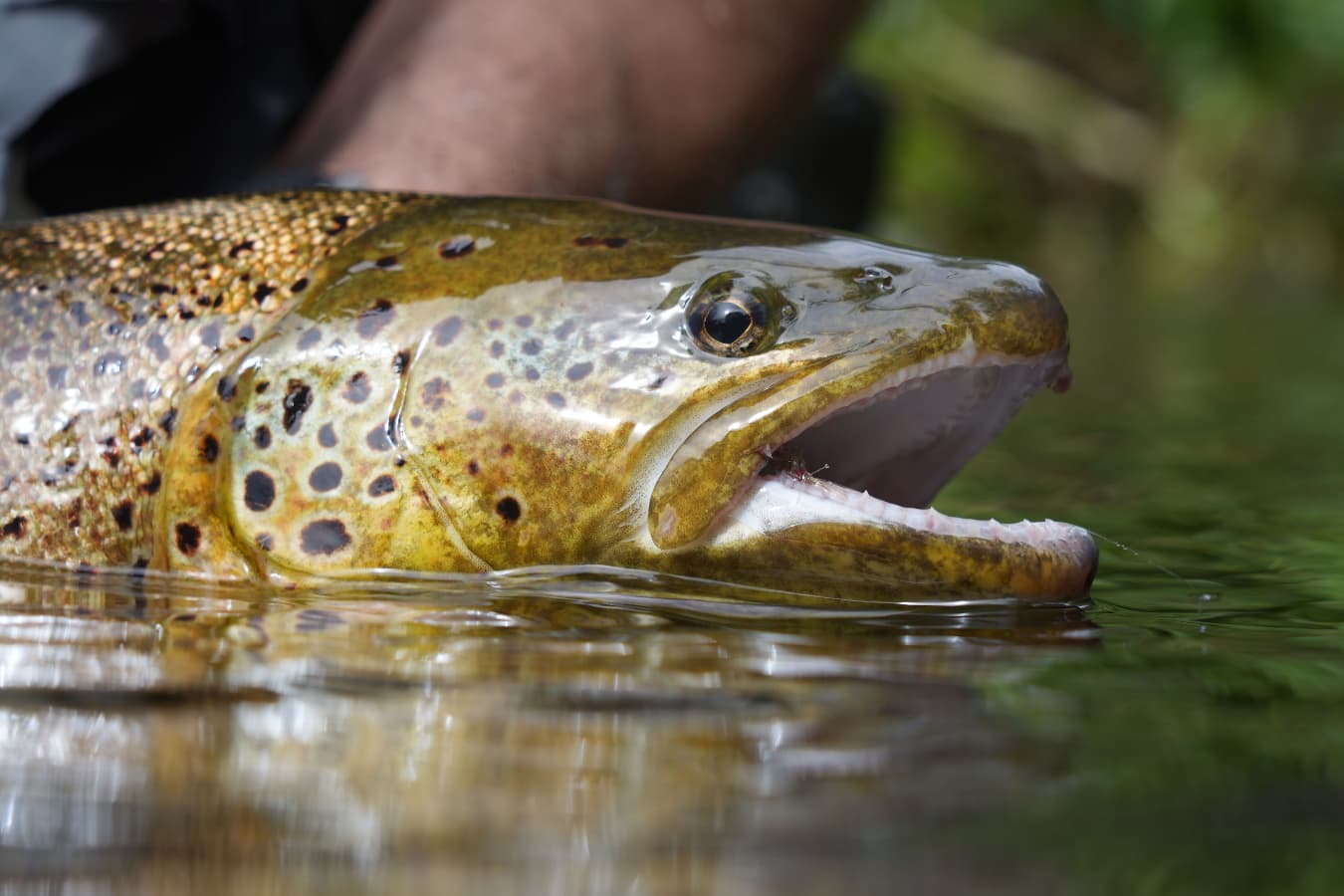
Brown trout are recognizable by their golden brown to yellow-brown pigmentation, dark areas typically ringed by pale halos, and periodic red or orange areas.
” Safeguarding our native trout populations is a top priority,” stated FWP Regional Fisheries Supervisor Mike Hensler. “Brown trout posture a danger to native types in the Flathead drain, and we require the general public’s assistance to handle this intrusive types.”