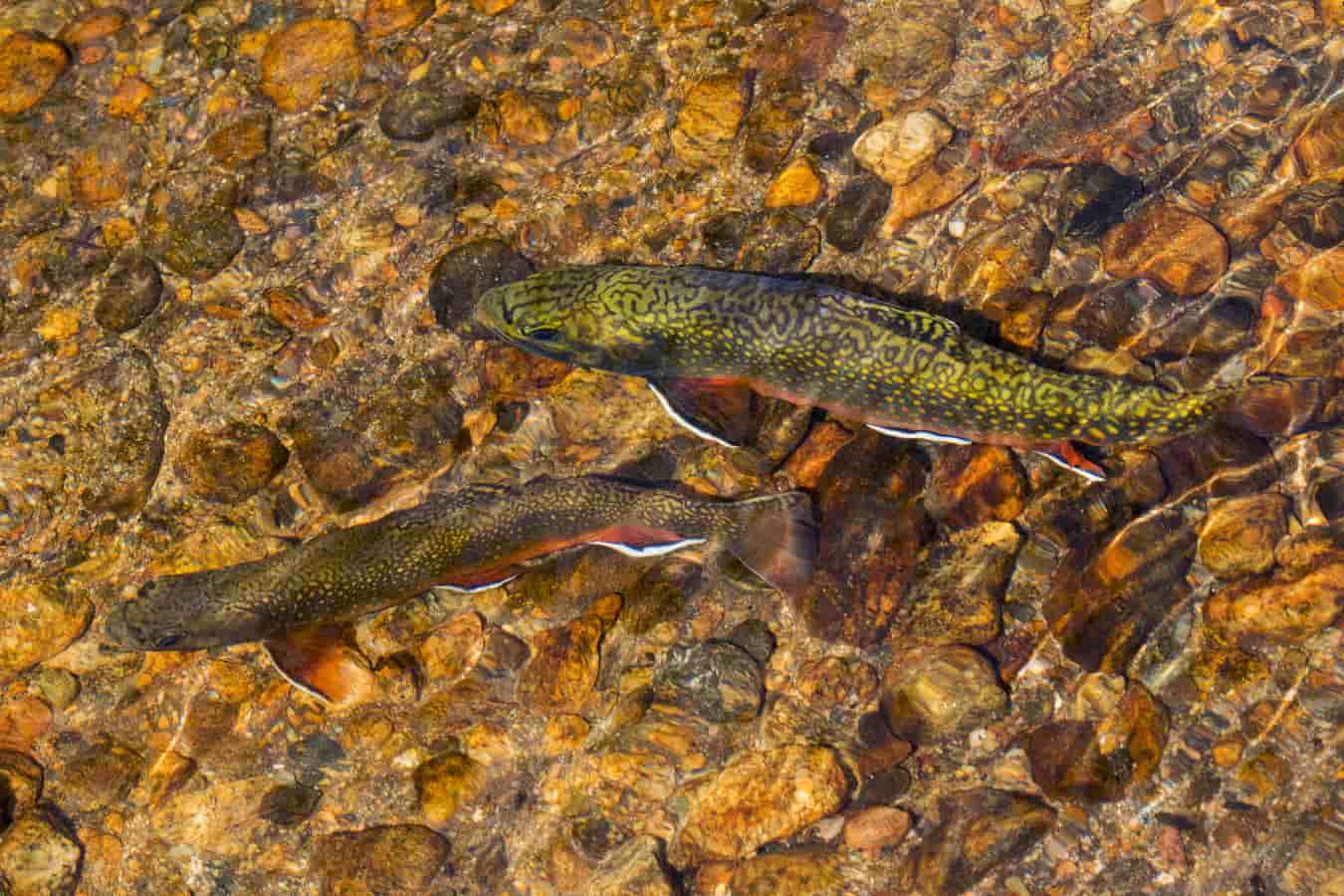
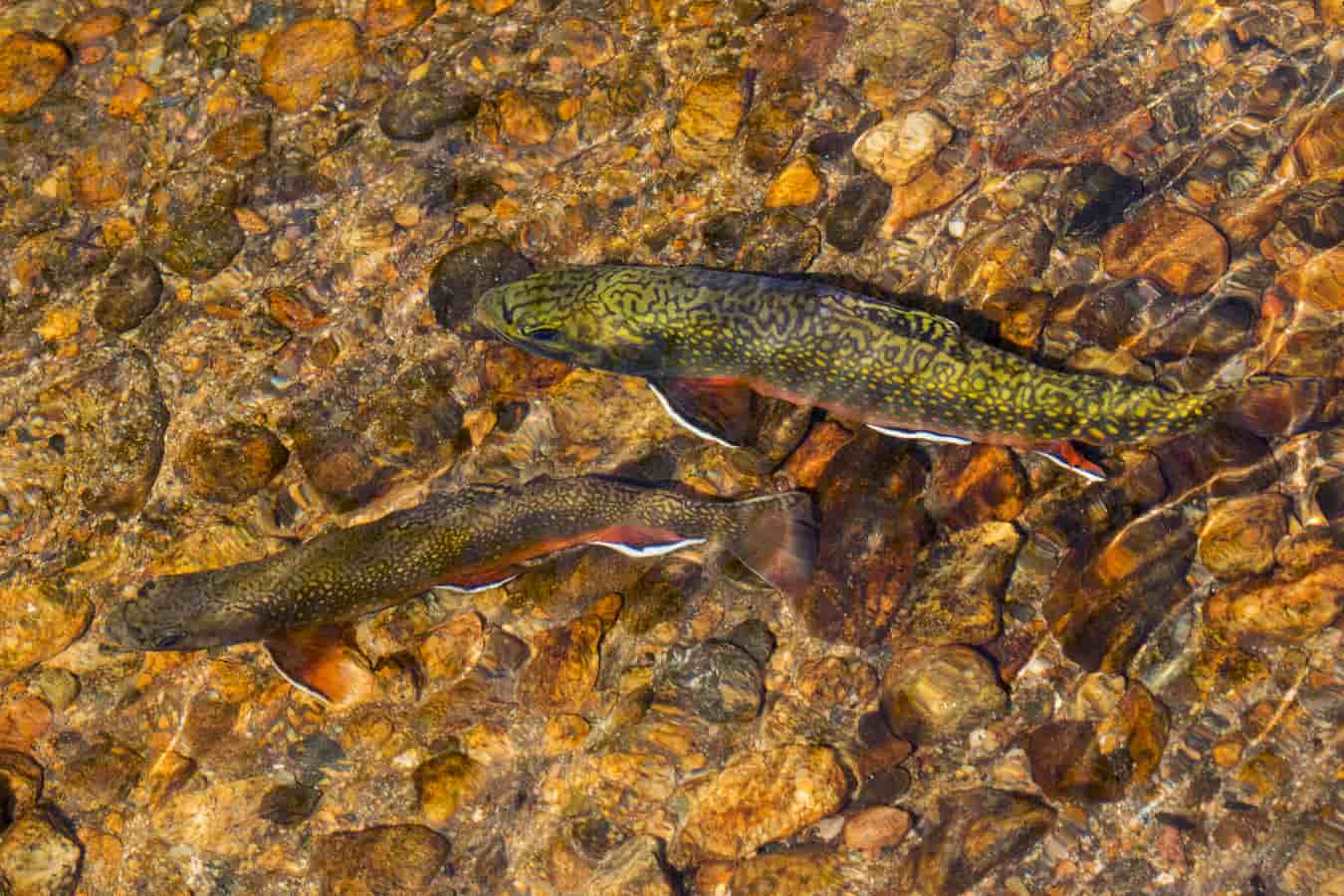
The biggest yearly financial investment through the Chesapeake Bay Stewardship Fund sends out $812,000 to Trout Unlimited for native brook trout environment in the Potomac headwaters. Image by Danita Delimont
The National Fish and Wildlife Structure (NFWF) and the U.S. Epa (EPA) on February 11 revealed $44.2 million in grants for water quality and environment repair throughout the Chesapeake Bay watershed. The 72 grants, granted through the Chesapeake Bay Stewardship Fund’s Ingenious Nutrient and Sediment Decrease (INSR) and Little Watershed Grants (SWG) programs, will utilize almost $31 million in matching contributions for an overall preservation effect of $75 million.
For fly anglers in the Mid-Atlantic, the heading number matters less than a single line product: an $812,132 grant to Trout Unlimited (TU) to reconnect and bring back marine environment in eastern brook trout fortress along the North Branch of the Potomac River in West Virginia and Maryland.
What TU’s Grant Will Do
The North Branch task targets sediment and nutrient contamination– the 2 forces that do the most harm to coldwater fisheries in the area. TU will set up more than 2 miles of farming exemption fencing and riparian plantings to keep livestock out of tributaries that feed the primary stem. The grant likewise moneys the repair of 32 acres of riparian forest environment and farming preservation practices on 250 acres of farmland.
These are useful, tested procedures. Exemption fencing drops sediment loading in brief order; riparian buffers shade water, filter overflow, and reconstruct the insect neighborhoods that trout depend upon. The 250 acres of farming finest management practices resolve nutrition loads more upslope.
A River That Returned from the Dead
The North Branch is among the more striking resurgence stories in eastern fly fishing. Through the mid-1990s, acid mine drain from deserted coal operations in Garrett County, Maryland, and surrounding West Virginia had actually rendered long stretches of the river biologically dead. Water pH dropped listed below levels that might sustain marine bugs, not to mention trout.
Start in 1993, the Maryland Department of the Environment set up a series of limestone dosers— mechanical gadgets that squash and give calcium into tributaries to reduce the effects of level of acidity. By 1994 the water might once again support fish. Maryland’s Department of Natural Resources introduced equipping programs, and within a couple of years wild brook trout and brown trout were recreating naturally in the tailwater listed below Jennings Randolph Lake. The North Branch ended up being the only river east of the Mississippi holding all 4 salmonid types: brook, brown, rainbow, and westslope ruthless trout.
That healing, however, depended upon active chemical treatment of the mine drain. The brand-new TU grant shifts focus to the surrounding landscape– the farming pressures that now posture the next tier of hazard to water quality in the watershed’s headwater brook trout streams.
The More Comprehensive Plan
The complete $44.2 million award covers 6 states and the District of Columbia. Jointly, NFWF approximates the financed tasks will bring back 75 miles of riparian forest buffers, execute 45 miles of animals exemption, bring back 290 acres of wetland and marsh environment, and put farming finest management practices in location on 120,000 acres. The grants are predicted to minimize yearly nitrogen contamination by one million pounds, phosphorus by 67,000 pounds, and sediment by more than 78 million pounds.
Amongst the bigger awards: Sustainable Chesapeake got $1,999,064 to broaden preservation resources for dairy and row-crop farmers throughout Virginia’s Chesapeake watershed. Ducks Unlimited got $1,163,839 to bring back 200 acres of wetlands and 70 acres of buffer environment on the Delmarva Peninsula. The Nature Conservancy got $898,814 to release cover-crop sensing unit innovations on 20,000 acres in Pennsylvania and Maryland. And the Watershed Alliance of York got $847,682 to speed up riparian forest buffer planting and freshwater mussel preservation in York County, Pennsylvania.
” Both of these grant programs become part of the bigger story of EPA’s financial investments for the Chesapeake Bay,” said Amy Van Blarcom-Lackey, EPA Area 3 Administrator. The grants likewise support more than 700 watershed repair and preservation tasks and will engage over 3,300 volunteers.
Why It Matters Now
The Chesapeake Bay Stewardship Fund has actually run given that 1999. Over that period, NFWF has actually granted almost 2,000 grants to more than 650 companies, amounting to over $400 million in direct financing and producing more than $800 million in combined preservation effect. This year’s awards advance the dedications detailed in the modified 2025 Chesapeake Bay Watershed Arrangement, which sets a 2040 repair due date.
For anglers who fish the North Branch– or any brook trout stream in the upper Potomac– the TU grant is a direct financial investment in the water they wade.