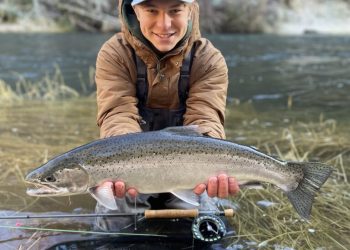
The modification of seasons can be a particularly tough time to discover fish. This is much more real for brand-new anglers. Beginners and specialists alike have had the last 6 months to end up being familiar with summertime and fall conditions, which in some cases do not vary all that much. Winter season fishing for trout is frequently really various from the summertime and fall conditions that all of us like. It features its own difficulties, however can end up being an exceptionally gratifying season when we and the fish get our winter season bearings.
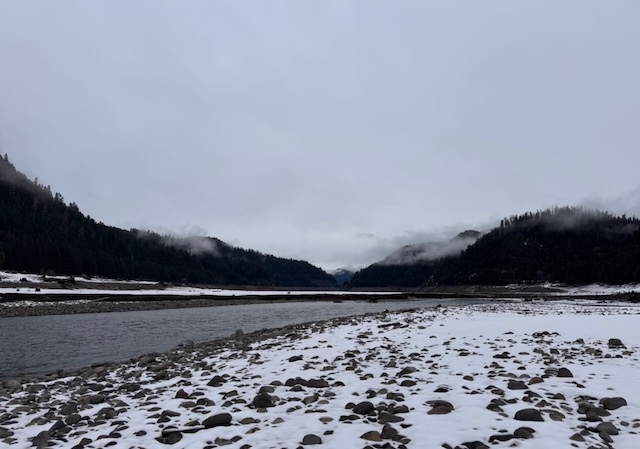
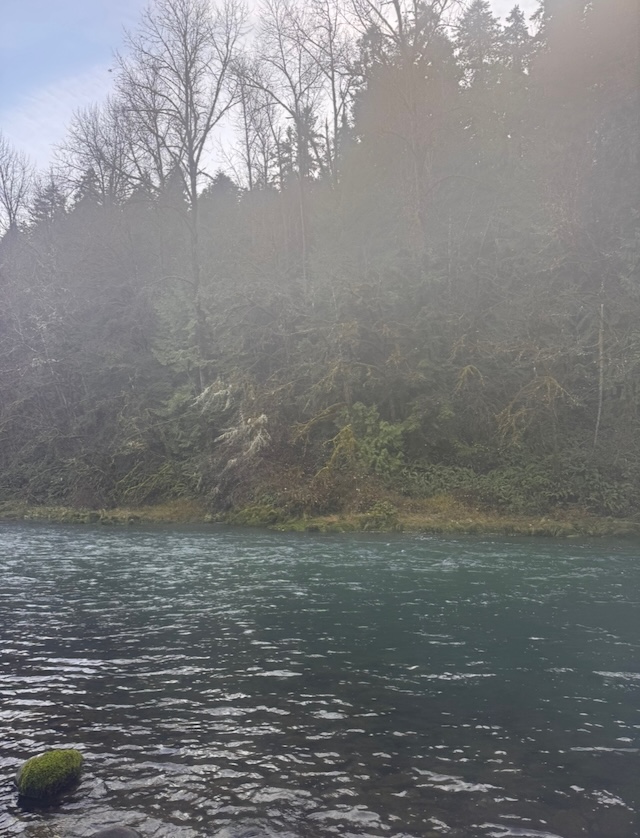
Winter season in the majority of locations is associated with one word: cold. In some locations it indicates snow, some locations wind, however in the valley here it normally indicates rain. Winter season rains impact every element of fly fishing, most significantly since the creeks, streams, and rivers where we fish gather much of this rain that falls in the valley. Excess rain makes its method down the attracts our Waterfalls, ultimately striking a little creek, a bigger tributary, then into a river that will reach the valley flooring. In this method, conditions from day to day can alter depending upon rains. Heavy rain can trigger rivers to quickly increase and end up being off color with sediment. When rivers increase to the point that they are un-fishable we describe them as being “burnt out”. Conditions like this can likewise threaten, so please usage care if you venture out in high water. As temperature levels and rainfall continuously vary throughout the winter season, pest and fish habits follows.
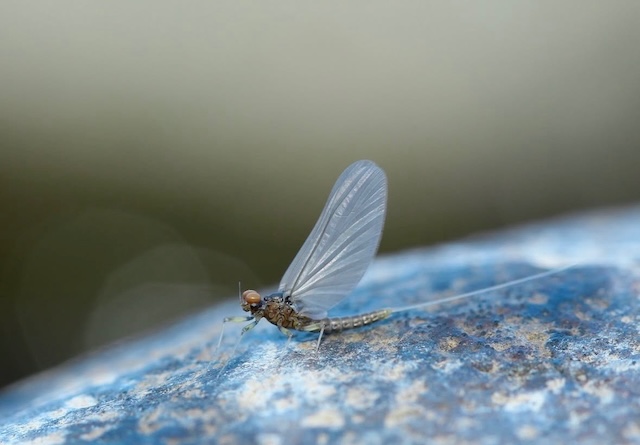
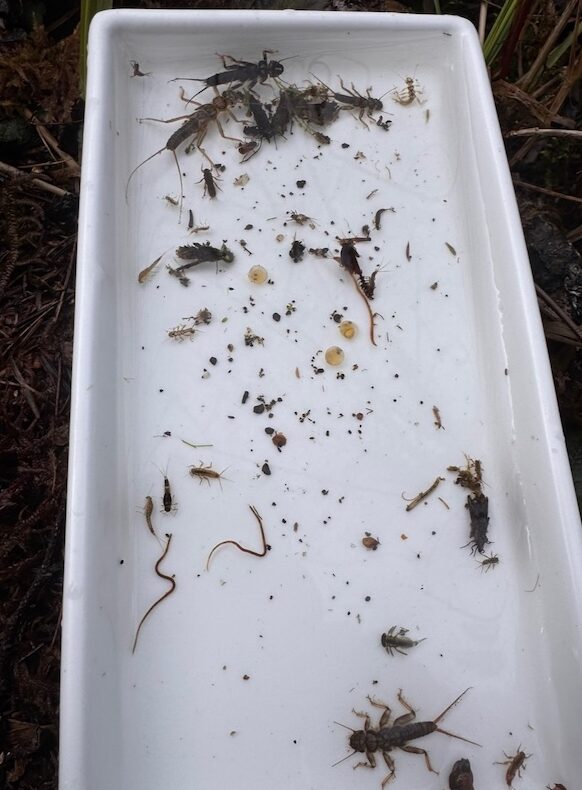
Insect hatches are normally not as consisitent as in the summertime time. When the weather condition remains in the right window, we can see very respected hatches of Baetis sp. mayflies. These are likewise typically described as: Blue Winged Olives, BWOs, Olives, Blue Wings, or by their household name Baetidae. These little olive bodied mayflies like hatching on overcast days, normally the hatch starts mid day. Blue Wings normally choose to hatch along “glides” of reasonably calm water. This guarantees a more effective introduction as mayflies need to let their wings dry on the water’s surface area before flying away. This indicates when the river is hurrying much faster, and there is more unstable water, that there is less preferable area for them to make an effective introduction. Typically, timing an excellent BWO hatch indicates discovering an overcast day, that does not take place to land after numerous days of torrential rainstorms. Specifically winter in the low 30s is likewise a bit too cold for them to hatch in huge numbers, nevertheless I have actually seen it in previous years, discovering olives and winter season stones on the snowy banks.
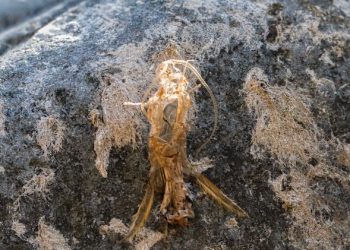
Winter Season Stoneflies are another pest that hatches in the winter season. These are very little stoneflies of the Nemoura household. They are in some cases described as forest flies or little black stones, and can really endure being frozen. Typically these program up later on in the winter season in January and February. Regrettably the dry fly consume for these bugs is far less than the BWOs, nearly nonexistent in contrast. They do nevertheless make a great browsing nymph. As big amounts of these nymphs move into the shallows to hatch, trout do get specifically typed in on these little black stoneflies. Here is a particularly efficient winter season browsing pattern for winter season stones.
Fish habits greatly follows insect hatch habits. It is likewise affected by 2 other aspects: temperature level & & circulations. Temperature level straight affects a trout’s metabolic process. Winter slows trouts metabolic process substantially and they are concentrated on saving energy. This indicates that when trout are not actively feeding, you require to almost strike them on the nose with your nymphs to generate any action. Times of feeding throughout the warmer parts of the day, or throughout an active hatch is a various story. Great deals of activity is loaded into a smaller sized time window, so remaining in the best location at the correct time is vital. After the window has actually passed trout will once again default to their slow personality that they will not shake up until late winter season/ early spring. Like human beings, fish are likewise sluggish to increase on cold early mornings, the majority of their activity will be separated to the hottest parts of the day.
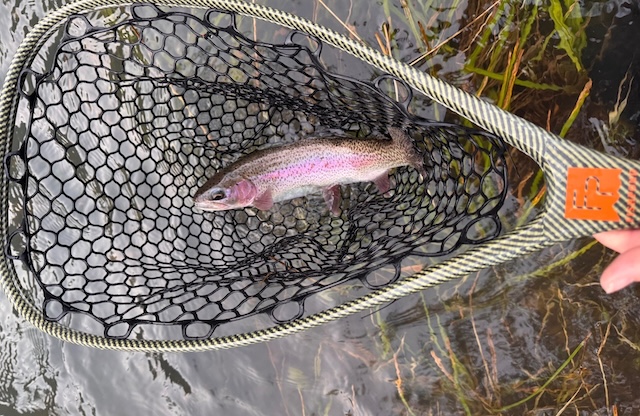
Specifically high circulations displace fish. This can be comprehended once again through a trout’s slowing metabolic process. A trout’s propensity to save calories in the winter season indicates they will keep in ares that need really little physical effort. Trout might leave these locations to get in a feeding lane for a brief window, however normally will keep in slower water. This indicates behind rocks, snags, deep swimming pools, long moves, and they will not be sitting best on a joint, rather they will be uncommonly vice versa compared to the summertime. As rivers swell and method “burnt out” conditions fish discover a break from quick currents uncommonly near the bank. In high water you can capture fish right at your feet on the bank, so begin close and gradually probe much deeper and much deeper. Typically, discovering where fish accumulate will reward you with numerous fish that might examine your nymph offerings. When you find where fish hold in areas of river you recognize with, it is very important to find out when they most actively feed based upon present conditions and return then.
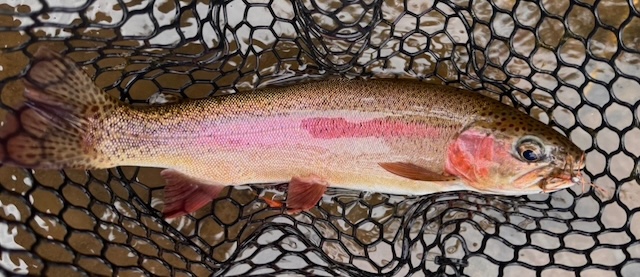
High water not just corrals fish into more calm water, it likewise displaces smaller sized trout, baitfish, and sculpins. Specifically old, big fish have actually seen this for several years and understand high water indicates displaced T-bone steaks. These fish can be woken up from their sleep for big meals, just to go back to their calm lie after breathing in a little fish desperately darting downstream. The very same can be held for bigger nymphs such as slamonflies, gold stones, and worms that wind up in the river after rains triggering high water.
Due to the fact that a trout’s metabolic process slows in the winter season, after they feed they re-enter their winter season hypnotic trance and can’t be troubled. In the summertime, trout need to continuously feed as it is their growing season and they physically are more active. After a trout feeds greatly throughout a brief winter season hatch or after consuming a big baitfish, fish do not need to feed regularly as other times in the year as those calories go much even more in the winter season.
Nymphing is the main approach of capturing fish in there winter season. Typically, fishing a sign rig with 2 flies is the go-to winter season rig. It is an excellent method to probe water and understand how the trout are reacting to present conditions. When water is specifically high and off color big, heavy flies are a must. If fish can’t see your flies of if they’re not deep enough, they will not consume them. Here are some store favorites for high water: Jigged Mega Prince, Jig Wonky Worm, T.J Hooker Nymph, Croston’s JIgged Chenille Worm, Montana Fly Company Jigged Girdle Bug, Tunghead 20 Incher, Jigged Pink Squirrel, Roza’s Colored Water Fly Jig, or aSlush Egg When there has actually been an absence of rain and water is clear, utilizing smaller sized flies is more beneficial. Many nymphs are really little throughout the winter season, minus bigger stoneflies with multi-year growing durations. A lot of these nymphs on the river bottom were born in the previous summertime, so little flies are what fish are keyed into. Here are some little alternatives we like to fish in sizes 14-20: Jigged Duracell Nymph, Weiss’ Possum Anchor Jig, Berry’s PCP Jigged Nymph, Zebra Midget, Dally’s Tailwater Jig, Juju Baetis, Weiss’ CDC Silex, Split Case BWO, Jigged Tungsten Rainbow Warrior, LED Midge, Tungsten Jig TNT Nymph, Roza’s Jigged Pink Pheasant Tail, Roza’s Dark Neon Jig, or anOlsen’s Blowtorch Below is a great regional pattern for a fragile Baetis nymph.
Dry fishing is nearly solely restricted to Blue Wings for an excellent portion of time. Do not let this prevent you, the hatches can be as respected as the summertime PMD hatch, and you ‘d believe it is the middle of the summertime if you saw the fish increasing. Throughout these respected hatches, fishing cripples and emergers is specifically beneficial. Here are some favorites: Galloups OG Bent Cripple, Quigley’s Film Critic BWO, Klinkhammer BWO, Morrish’s May Day Blue Winged Olive, Almost Dun or aBaetis Cripple These flies lower in the surface area movie and are in some cases tough to see, tagging them behind a more resilient dun help in your capability to track your emerger. Here are some duns which represent a completely emerged mayfly drying its wings on the surface area: Hatch Matcher Blue Winged Olive, Parachute Extended Body Blue Winged Olive, Tilt Wing Dun BWO, or aTactical Blue Winged Olive Parachute One last method is to run a soft hackle behind a dun. This trips even lower than a an emerger or paralyze, and actually needs the more resilient dry to assist in identifying the take. Here are some soft hackles to run behind a dry: Purple Haze Emerger, Soft Emerger, Drymerger Baetis, or aSpectre Soft Hackle
Banner fishing needs heavy flies or a sinking line or idea this time of year. Banners can be fished in tandem also, and it is frequently specifically efficient. When fishing them in tandem, Typically tagging a smaller sized, lighter banner off the back is best. You can even tag among the soft hackles noted above when swinging and removing banners in the winter season. Here are some winter season staples: Tactical Jig Zonker, Tungsten Thin Mint, Sculpzilla, Krystal Bugger, Bead Head Mini Bugger, Cascade Bugger, Gaviglio’s Minnow Bugger TSB, orKure’s Squirrel Micro Zonker Below is a great banner established specifically for winter season fishing.
Sinking Tips or Polyleaders are layered leaders that enable you to transform your drifting line into a sink idea line. We specifically like the brand-new Scientific Anglers Sonar Leaders which attack rapidly and include a connected tippet ring for fast rigging. Another choice would be theAirflow Polyleader Sink Tips The sink rate differs with conditions however normally sink 2-3+ is what you’re trying to find when a heavy fly on a drifting line isn’t sufficing. If you are a devoted banner fisher a sinking idea line would be a needed part of your setup. Here are 3 we like: Sonar Titan Mini Sink Tip, Scientific Anglers Sonar Titan Sink Tip Line which has a longer sinking idea, and the RIO Premier 24 foot Sink Tip when you wish to get back at much deeper. Fishing complete sinking lines can be challenging in rivers since as you remove with a complete sink line, your removed line sinks in the water beside you. Here are our preferred complete sink lines for winter season: Sonar Sink 25 Cold, Scientific Anglers Sonar Trout Express Line, or aScientific Anglers Sonar Titan Int/Sink 3/sink 5 Triple Density Sinking Fly Line These lines will be simpler to utilize in rivers while wading with a removing basket or tray such as: a low profile Ahrex FlexiStripper Stripping Basket or a bulkier Stripping Basket.
Extra equipment that makes winter season fishing both more efficient and enjoyable can be discovered bel0w. Oros strike indicators are our preferred in the store. Typically you require a minimum of size medium to suspend the heavy winter season nymphs we are fishing with. A wading personnel is an excellent tool to keep you upright in the high circulations that feature winter season. It likewise enables you to penetrate the bottom that you can’t constantly see in high, shady water while you’re wading. Here are our favorites: Simms Pro Wading Staff, Simms Wading Staff, Folding Wading Staff, Simms Wading Staff, or the brand-newFishpond Grass Sticks Wading Staff If your eyes aren’t what they utilized to be, the Scientific Anglers Indicator Markers are excellent for marking your leader to track a little dry, or mark periods to evaluate where your banner is. Due to the fact that a lot winter season fishing is subsurface, Fluorocarbon tippet is an excellent aid. It runs unnoticeable under water, sinks faster than monofilament, and is more powerful. Our preferred is Absolute Trout Fluorocarbon Tippet from Scientific Anglers. Bring 3x-6x will cover all of your bases, however 4 and 5x are utilized one of the most. An excellent base layer and raincoat is a needs to in our weather condition. Some excellent pieces as thermal base layers are: Patagonia Men’s Capilene Midweight Zip Neck, Patagonia Men’s R2 TechFace Pullover, Nano Puff Fitz Roy Trout Hoody, Patagonia Men’s Hi-Loft Nano Puff Hoody, Skwala Thermo 350 Hoody, or aLoop Stalo V2 Soft Shell Wading Jacket Water resistant rain shells/ wading coats are the most crucial of keeping you comfy for prolonged amount of times on the river. Our favorites are: Patagonia Swiftcurrent Wading Jacket, Skwala Carbon Jacket, or theLoop Dellik Wading Jacket The last and essential thing is it bring your persistence; winter season fishing can be picky, however if you remain in the best location at the correct time, it can be lights out.
If you have any extra concerns visit the shop if you’re regional. We enjoy to assist get you gotten ready for the modification of the seasons. If you run out state offer us a ring or connect on social networks, we enjoy to provide an assisting turn over the phone (541 )-342 -7005 or online.
– Simon
P.S. if you’re a fly tier, here are some extra regional patterns that work excellent in the winter season. These are regional patterns that you can’t discover in any shop! We have actually got all of the products online and in the store!