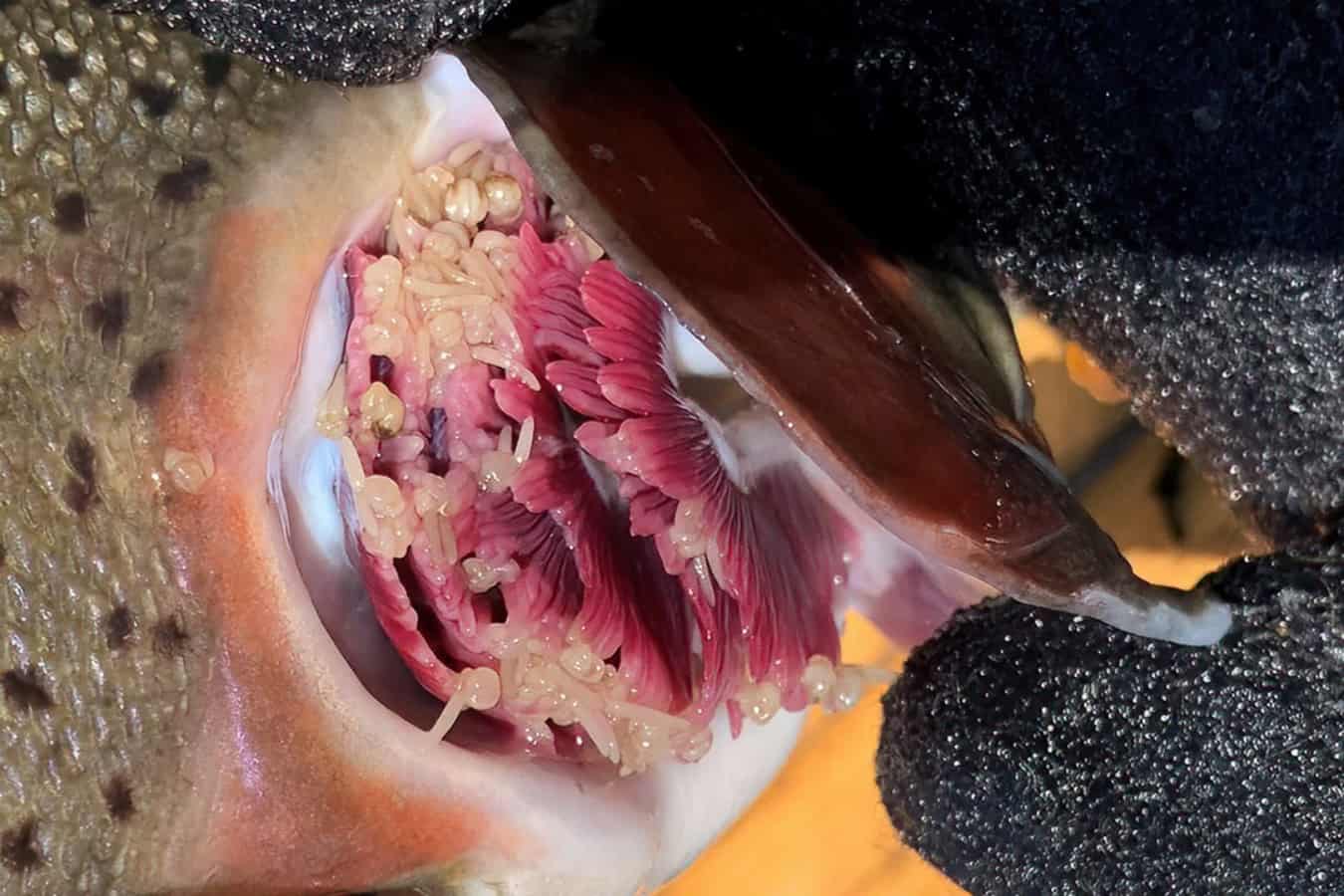
Image thanks to Colorado Parks and Wildlife
A bombshell report launched on January 5, 2026, by Fly Fisherman magazine, detailing brand-new study information from Colorado Parks and Wildlife (CPW), has actually sent out shockwaves through the angling neighborhood. The research study concentrates on the Lower Blue River near Kremmling, a designated Gold Medal water, and paints a grim image of a fishery in imbalance.
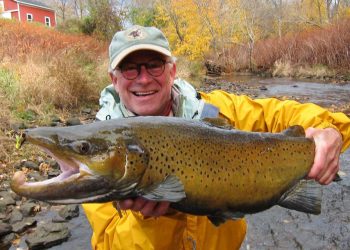
According to water biologist Jon Ewert, the biological makeup of the river has actually moved considerably in less than a years. In the fall of 2018, wild brown trout made up an incredible 98% of the river’s trout biomass. Nevertheless, current spring studies expose a sharp decrease in brown trout numbers, accompanying an abrupt rise in rainbow trout populations.
These are not wild rainbows. The study discovered that a substantial part of these fish brought PIT tags stemming from personal landowners upstream, particularly indicating practices around heaven Valley Cattle Ranch. These equipped rainbows were discovered to be “greatly contaminated” with Salmincola californiensis, a parasitic copepod referred to as gill lice.
The report draws a direct line in between the invasion and the questionable management practices at Blue Valley Cattle Ranch. Typically called ‘Jurassic Park’ for its colossal, pellet-fed trout, the cattle ranch’s operations are now being inspected as the main vector for the break out.
CPW’s data shows that synthetic pellet feeding has actually resulted in serious overcrowding. This abnormal density of fish develops an ideal breeding place for gill lice. The parasite connects to a fish’s gills, hindering its capability to respire– basically gradually suffocating it. While a couple of lice may be workable, the heavy invasions observed are deadly, especially when fish are worried by low winter season streams or warmer water temperature levels.
This isn’t simply an issue for personal water; it’s a public resource crisis. The contaminated fish do not remain behind fences. They move downstream, possibly spreading out the parasite into the Colorado River, running the risk of a much bigger environmental catastrophe.
For several years, personal stakeholders have actually deflected blame for the fishery’s decrease onto public angler traffic. Nevertheless, this biological proof turns the script. “The evident association in between fed fish and heavy gill lice invasion,” the CPW report cautions, is now the clear and present threat.
For fly fishers, this report signals most likely regulative fights ahead. The fragility of heaven River throughout winter season– when circulations are low and trout are currently sluggish– is now intensified by breathing tension from the parasites. Anglers must be hyper-aware of correct handling practices to minimize tension on these fish, however the option eventually depends on policy reform concerning personal equipping and feeding.
As the state weighs its choices, the “Gold Medal” status of heaven River hangs in the balance, showing that even the most crafted fisheries are not unsusceptible to the laws of nature.