Image by Daniel Thornberg
The U.S. Legislature voted 214-208 on Wednesday, January 21, to enable mining near the Limit Waters Canoe Location Wilderness in Minnesota, setting the phase for a prospective copper mining job in the Superior National park watershed.
The resolution, presented by Rep. Pete Stauber (R-Minnesota), would rescind a public land order from the Biden administration that protected roughly 225,500 acres of the Superior National Park for twenty years. The procedure now heads to the Republican-controlled Senate, though the timing for a vote stays uncertain.
What’s at Stake
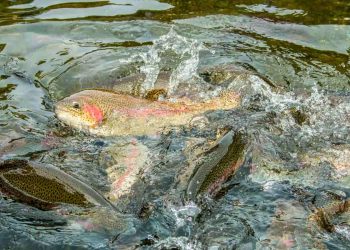
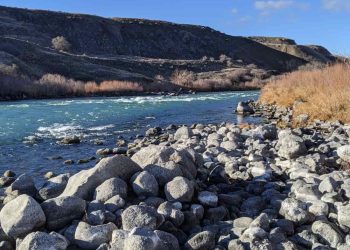
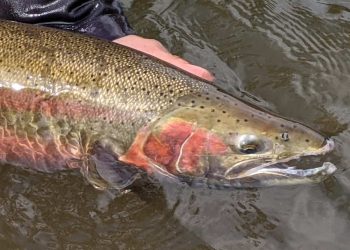
The Limit Waters Canoe Location Wilderness consists of over 1,000 lakes in northern Minnesota and is widely regarded as a world-class destination for walleye, lake trout, smallmouth bass, and northern pike fishing. It is the most gone to wilderness location in the nation, bring in around 250,000 visitors every year.
Preservation groups caution that the proposed Twin Metals mine– owned by Chilean business Antofagasta– would present sulfide-ore copper mining to the area for the very first time. Unlike standard iron mining, sulfide mining produces sulfuric acid, which can infect lakes and rivers for centuries. The area’s interconnected waterways indicate contamination might spread out throughout countless acres, possibly reaching Lake Superior.
” This would lead the way for sulfide-ore copper mining in the area– the most poisonous market in America– which has actually never ever been allowed Minnesota before,” stated Rep. Kelly Morrison (D-MN), calling the resolution “the best danger to the Limit Waters in history.”
More Comprehensive Ramifications for Public Lands
The resolution utilizes the Congressional Evaluation Act (CRA) to reverse a mineral withdrawal– an unprecedented application of the law that preservation groups state might set a hazardous precedent for public lands across the country.
” Today, those who enacted favor of HJR 140 voted to offer out American public lands to foreign interests,” statedIngrid Lyons, Executive Director of Save the Boundary Waters “This costs sacrifices America’s a lot of gone to Wilderness for the advantage of a Chilean business that sends its focuses to China.”
According to Save the Boundary Waters, if the resolution is signed into law, it “would indicate that no recognized land management choice would be safe from politicized attack and nullification.”
Sportsmen React
The resolution has actually drawn opposition from searching and fishing groups who value the wilderness for its leisure chances.
” The searching, fishing, fishing and outside neighborhood wishes to see this location secured, plain and easy,” statedMatthew Schultz, spokesperson for Sportsmen for the Boundary Waters “No matter who you chose, no one chose less public lands and less access to them. Without a shadow of a doubt, need to this go through the Senate, that is what will take place.”
Lukas Leaf, executive director of Sportsmen for the Limit Waters, kept in mind the cultural significance of the location: “My daddy and I utilized to call it ‘going to church.’ A great deal of individuals resonate with that when it pertains to the Limit Waters.”
What Happens Next
The resolution now transfers to the Senate, where Republicans hold 53 of the chamber’s 100 seats. The Senate Parliamentarian must first rule on whether the CRA can lawfully be utilized to challenge mineral withdrawals. If the resolution passes both chambers and is signed by President Trump, the 20-year mining restriction would be reversed, leading the way for the administration to release mineral leases in the Limit Waters watershed.
Preservation groups are advising residents to call their U.S. Senators to oppose the procedure.