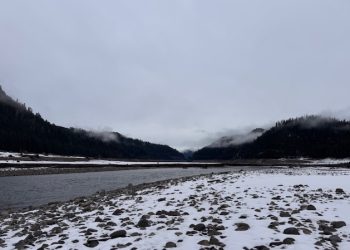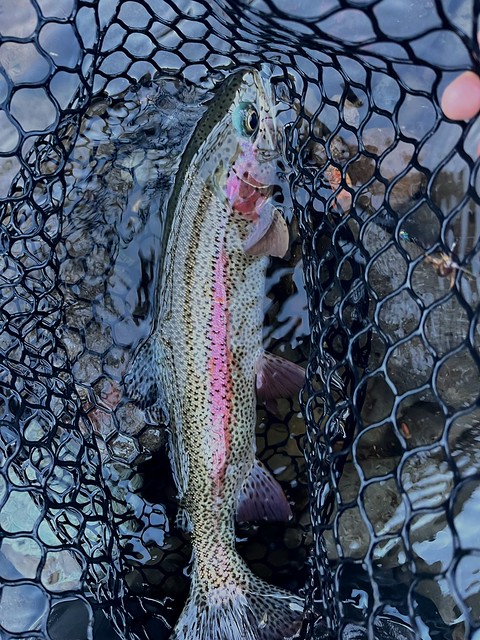
Winter and current high water in the previous weeks has actually made trout fishing irregular. More just recently in the recently or two on our regional rivers, the Mckenzie and Willamette, the circulations have actually diminished resulting in more beneficial fishing conditions. Hatches have actually been sporadic with the cooler weather condition, and nymphing has actually been the most efficient technique without a doubt. Bigger flies have actually been working when water was greater, and now it appears the fish are more typed in on smaller sized offerings.
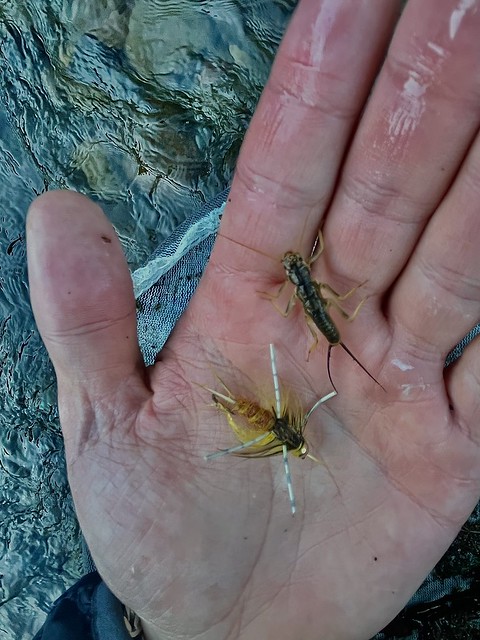
Throughout the high water occasions, fish were discovered holding closer to the bank in the softer water and in big deep swimming pools where they need to put in less energy to hold. High water nymphs consist of: Stonefly Double Bead #8, Jake’s Depth Charge Worm #14, Mega Pirince #8-12, Tunghead 20 Incher #8-1 2, Gummy Worm #12, orTungsten Trout Retriever #8 When rivers are streaming much faster, it prevails for big stoneflies and other bugs to be pressed into the present. Set that with heavy rains flushing worms into the system, and you’ll discover trout hanging on the edge of joints choosing off big offerings being swept downstream. These bigger flies are observed more quickly by a trout when the water is high and off color; thus why utilizing a bigger fly that sticks out is very important.
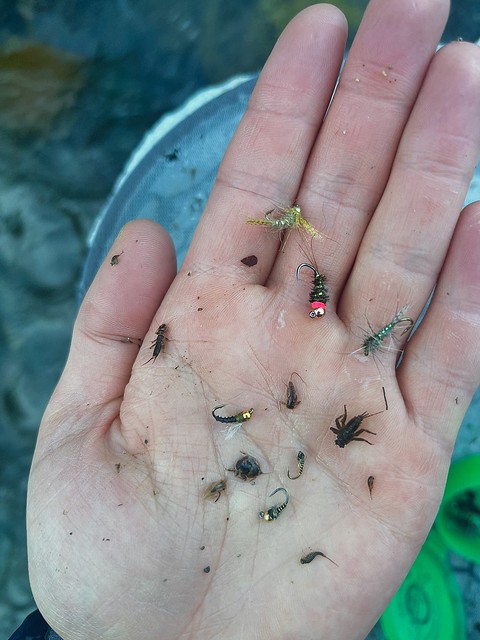
With circulation levels boiling down and water clearness enhancing, utilizing a smaller sized nymph is better. Heavy jigged attractor patterns such as: Jigged PCP #14-16, Rainbow Warrior #14-16, Jigged Perdigon #12-16, Jigged Duracell #12 or a Jigged Frenchie #12-16 come down deep in faster water or much deeper swimming pools. When fishing water that is slower and softer, more reasonable buggy looking nymphs typically work much better. The fish have more time to see your offering, so something more persuading and fragile will assist. Great options for slower, softer water consist of: Pheasant Tail #14-16, Galloup’s Peacock Hares Ear #14, Split Case BWO #18, Store Vac # 16, or aZebra Midge #16-20 Wander these through the softer water near the joint and you’ll discover ready fish. Letting your smaller sized flies swing at the end of your drift can likewise lure a consume, specifically on warmer days prior to or throughout a hatch.
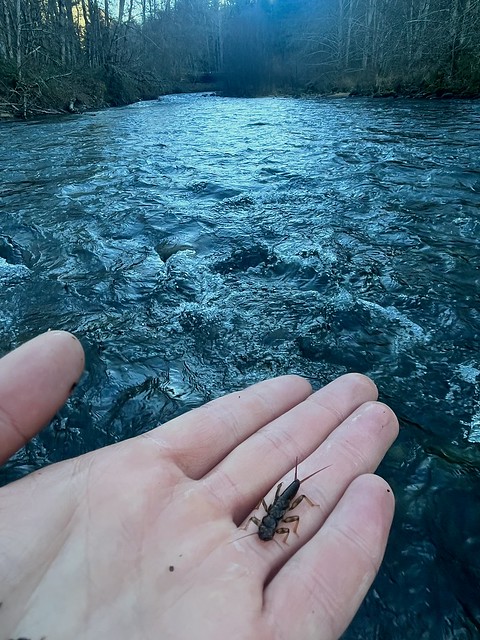
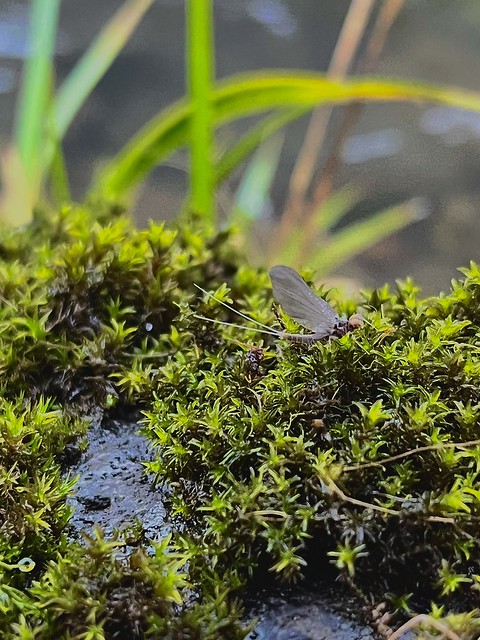
Winter has actually led to spotty Baetis/ Blue Winged Olive (BWO) hatches. Extremely couple of baetis will come off on cooler days, however it is inadequate to get the attention of the fish. On warmer days, nevertheless fish will type in on this hatch, and feed strongly throughout the hottest part of the day. Sadly, the majority of January has actually been relatively cold or the water has actually been high, leading to less than optimum conditions for the bugs to hatch. Fish can periodically be attracted to consume at the head of runs, or in the tailouts; the probability of dry fly consumes boosts as the temperature level does this season. If there are some warm days in the future here are some terrific Blue Winged Olive patterns: Baetis Cripple #18-20, Hatchmatcher BWO 16-18, Film Critic BWO #16,Morrish May-Day BWO #17-19
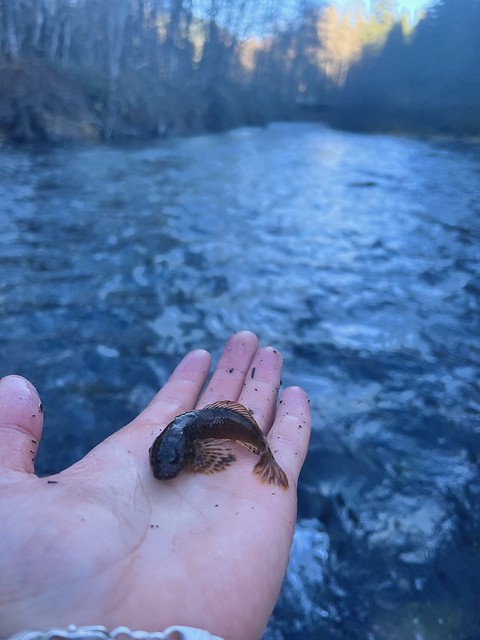
Banner fishing can be great when circulations are high. Little fish and sculpins can be cleaned down stream and supply high calorie meals to bigger trout. Fishing a banner at the head of a swimming pool and removing unpredictably will simulate a fish in a panic that was hurried downstream. When conditions are right, trout will type in on this and the banner fishing can be good. Banner tips consist of: Thin Mint #8-12, Black Wooly Bugger #8-10, Olive Wooly Bugger # 8-10, or a little sculpin pattern like Sculpzilla #8.
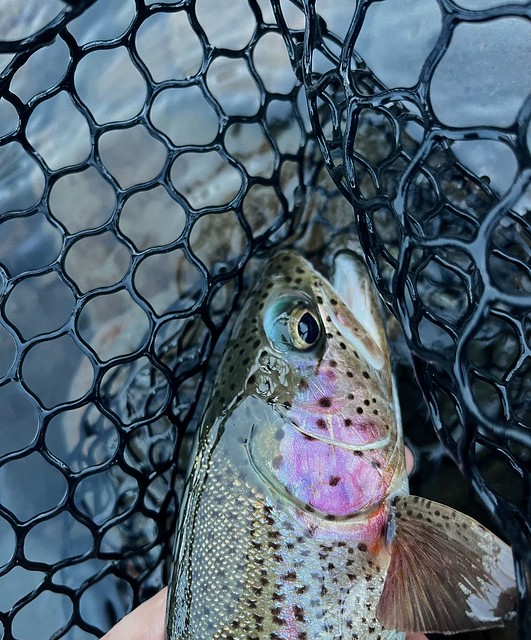
Our regional waters are fishing well! Get your equipment, wrap, and go out there!