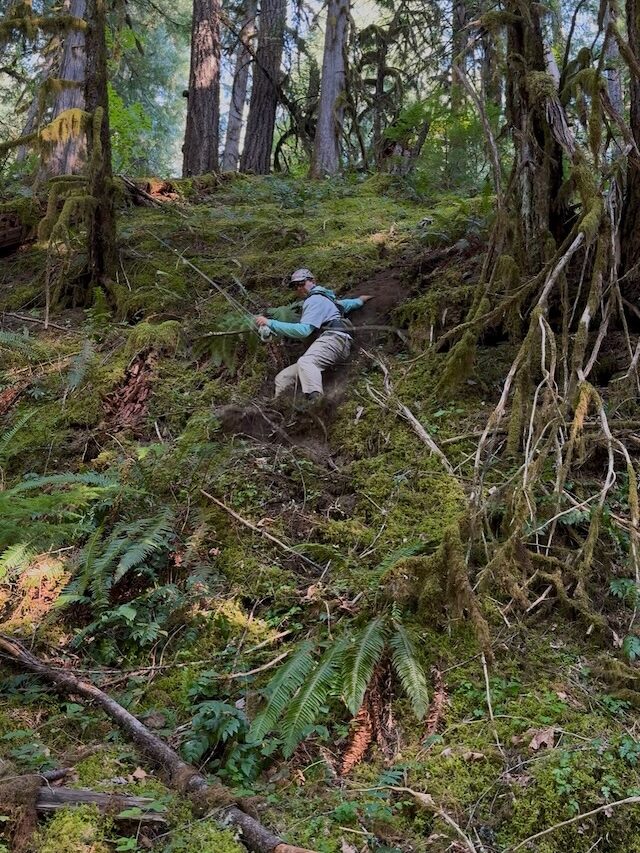
We are nearing completion of the feared summer season duration where things are a bit too hot for a trout’s preference. Hot air and water temperature levels minimize waters effectiveness at holding oxygen, this in turn produces both stressed out and sluggish trout. Set that with a natural lull in marine insect hatches, and you have actually most likely got a trout’s least preferred season. The bright side exists is hope on the horizon, and a lot of you most likely felt it the last couple of days of cooler more Fall like weather condition. As the days and weeks tick on, our fall hatches start to increase, living conditions enhance for trout, rivers end up being a bit less congested, and for a lot of us we enter our preferred season for trout fishing. This last hoorah for summer season is good time to do some bushwhacking and leave the beaten course. Numerous simple to gain access to locations have actually been being hammered all summer season, and it settles to do some walking.
Water pest hatches are sporadic, however not for long. Quickly our rivers will be popping with Nighttime (Shortwing) Stones, Baetis types (Blue Winged Olives, BWOs, Olives), Mahogany Duns, a couple of other various little Caddis types, and everybody’s preferred the “Excellent Fall Brown Sedge” or October Caddis. Regardless of the existing absence of the bugs simply noted above, there still are lots of choices for trout to consume; they simply appear in less foreseeable “hatch-windows” as they are the huge selection of terrestrial or land based bugs. For those who do not understand, these consist of Grasshoppers, Beetles, Ants, Crickets, and other land based bugs that wind up in the water. Specifically as fall weather condition relocations in and early mornings cool down, the terrestrials are sluggish to wake much like us on a cold early morning. Late early morning or early afternoon on a windy day near brushy banks is a terrific method to fish terrestrials.
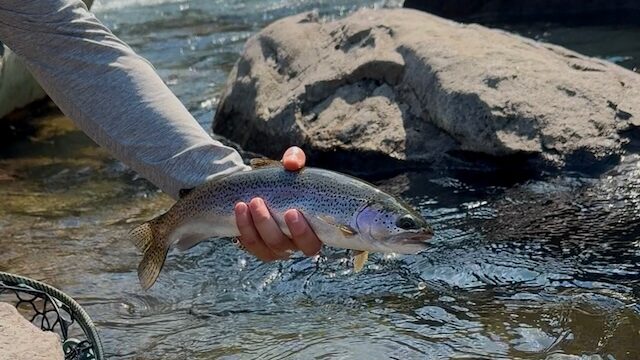
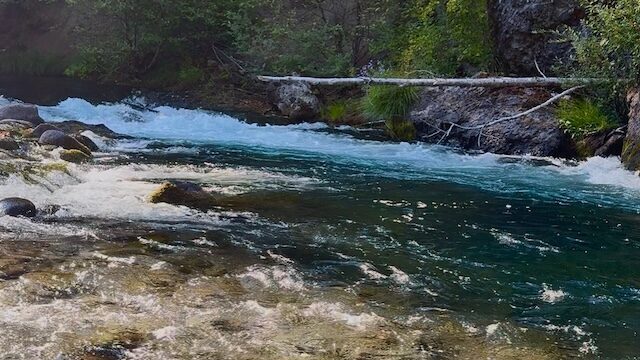
The lower to middle part of our Mckenzie and Middle Fork Wilamette rivers have actually taken the force of the summer season heat. These rivers expanded large and there is less riparian tree cover to offer shade on the river. These locations are likewise the outermost far from the cold springs which feed our rivers. That being stated, working your method upriver and fishing our smaller sized tributaries this time of year is helpful. Bring a thermometer is an excellent concept this time of year. Much of us run the Digital River Keeper Thermometer from Fishpond. This thermometer can be clipped to your boot lace or onto your internet for fast, precise measurements. It is extensively concerned to stop fishing at temperatures above 68 degrees. I personally begin moving for cooler water around 65 or previously for the trouts well being, and fishing in warmer water is normally more deal with less fish. This time of year, discovering proper temperature levels is constantly simpler closer to our rivers’ headwaters and in their tributaries. Another alternative for late summer season which can be hot is to head to our numerous high lakes. Specifically with things cooling down there are many walking in lakes that will reward you with hours of dry fly fishing. Fishing our smaller sized high lakes is improved with a little individual float tube, which can be treked in with on your back or pumped up at the lake.
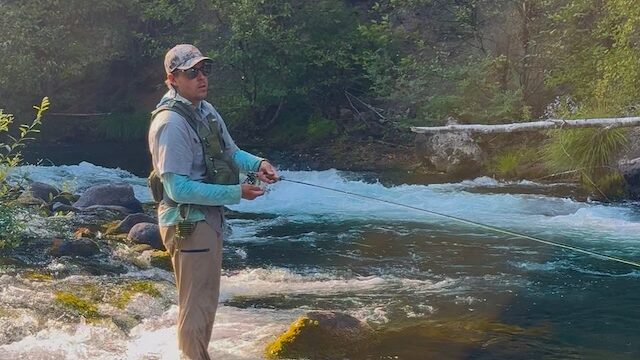
The bulk of our browsing this time of year is with a dry dropper setup. It enables you to browse the surface area with a big, bushy, and resilient dry and probe the depths with a nymph concurrently. On particularly hot days, the dry fly can be disregarded, particularly in the center to back of a run. In this slower water there is less oxygen and sluggish fish that are less apt to surface area. On hot days, try to find dry fly eaters in rifles and the heads of runs where there oxygen material is substantially greater than in slower moving water. If dry fly fishing is sluggish, particularly durning the middle of the day, I will do the very best with a double nymph rig under anOros Indicator When fishing the terrestrials on rivers and streams, guide your attention to prime lies that have natural particles and thick brushy banks. On our high lakes it is smart to assist your attention to comparable brushy banks or the wood structure in the shallows and fish ants or toss little banners near the snags. As our terrestrials increase the majority of the action remains in the nights when it is cool, keep your eyes peeled for an extra report on how to approach the a number of hatches showing up in the coming weeks
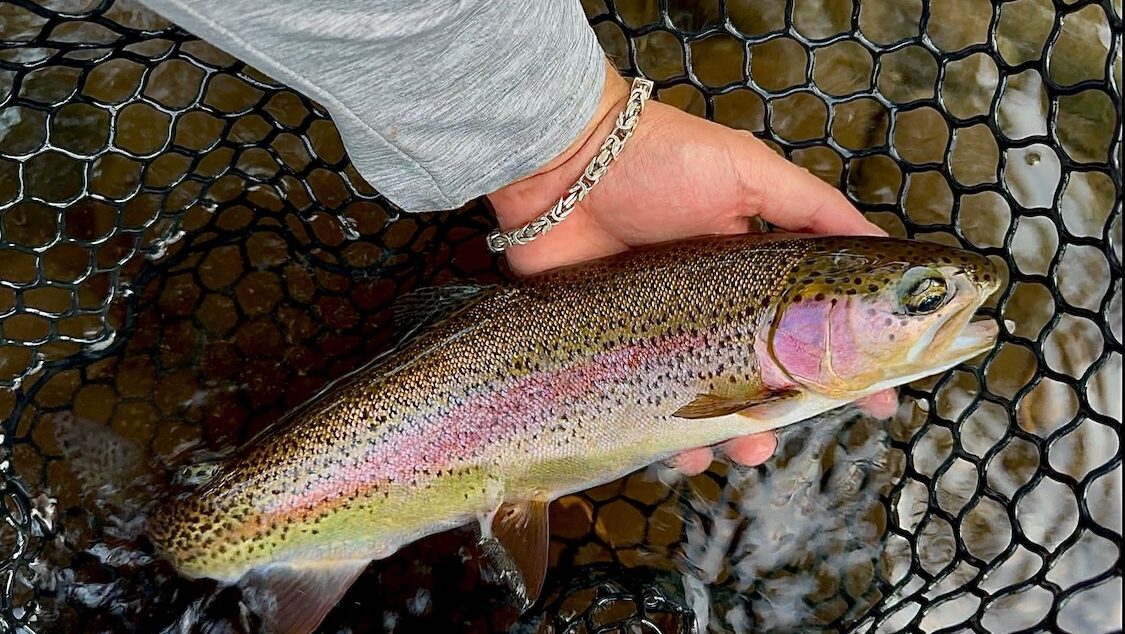
This time of year your dry dropper setup can look all sorts of methods. If you’re on the mainstem Mckenzie or Willamette it will likely include a big chubby with a heavy nymph listed below. On little streams it might be a little chubby or hopper with a lighter nymph listed below. For our high lakes it might appear like an ant with an unweighted pheasant tail or Chironomid tagged listed below. If you are just running nymphs listed below it is to your benefit to be running fluorocarbon tippet. Mono pays for some adaptability and you can switch your nymph dropper for an extra little dry such as a mahogany or little caddis. This level of adaptability ends up being more vital in a couple of weeks. I have actually been explore the Dropper Rig Fly Box and have actually been pleased with my capability to rapidly alter out rigs without retying. Here are some tips for big resilient dries for your rig: Chubby Chernobyl, Craven’s Big Fat Angie, Montana Fly Company Water Walker, Double Stack Chubby Chernobyl Fly, Burkus Bearback Rider Stone, or for smaller sized creeks aHi-Vis Micro Chubby Chernobyl Here are some hot nymphs that we have actually been running listed below: Jigged Possie Bugger, Jig Sexy Walt’s Worm, Jigged Duracell Nymph, Jigged Frenchie, Jim Sen’s Improved Jigged 20 Incher, or aLoren’s Stud
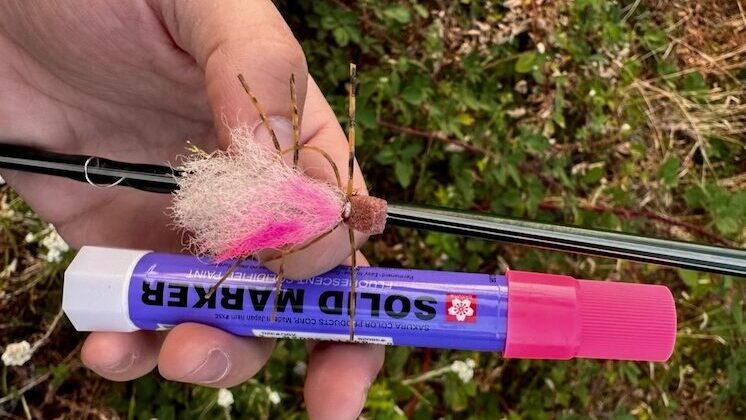
We have actually been utilizing Scientific Anglers Indicator Markers for a while now. These markers work excellent for Euro setups marking your leader. This last winter season I explored utilizing them to assist track my little Blue Winged Olives and they worked excellent. I have actually likewise utilized these markers to include notches for my banner fishing too. This summer season I have actually try out utilizing these markers to mark real dry flies. Specifically this time of year, we fish our flies in unstable water where there is more oxygen. This makes it tough to track a white winged chubby, particularly for my nearsighted eyes. I have actually been marking Chubbies, Hoppers, and little flies on their wing or post and am pleased with how these markers quickly turn any fly into a hi-vis one.
Dry fly choice is forgiving this time of year as numerous kinds of “attractor” design patterns work great to bring a trout to increase. These patterns aren’t direct copies of one pest, however are suggestive of numerous and have a basic buggy appearance. We are utilizing a great deal of terrestrials today. Resilient Hoppers that we like consist of: Henneberry Hopper, Morrish’s Hopper, and Rio’s Blade Runner Hopper Some smaller sized terrestrials more suitable for a single dry or a little stream dropper setup are: Dry Humper, Hi-Vis Micro Chubby Chernobyl, Stubby Chubby, or aCraven’s Big Fat Angie Ants and beetles are a terrific method to browse with a single dry, and in my viewpoint make an even much better routing dry on streams and our high lakes. Here are some store favorites: Turck’s Power Ant, Missing Link Honey Ant, Mason’s Bant, Ground Beetle, or aSplitzville Beetle Attractor design patterns that constantly work excellent consist of: Rubber Legged Elk Hair Caddis, Elk Hair Caddis Brown, Carlson’s Purple Haze, Parawulff Adams, or aHi Vis Parachute Adams Do not hesitate to size your tippet to 5x mono time season, we like Absolute Trout from Scientific Anglers.
When things are sluggish on the surface area, if it is particularly bright or hot, nymphing will be your most efficient method to browse water. For a lot of you running a single rod it might not make good sense to change your rig totally over. For those of you with a devoted nymphing stick, this is a good time of year to begin bringing it out for the mid-day lull. We constantly like to run a stonefly like among these: Jigged Mega Prince, Olsen’s Straggle Stone, T.J Hooker Nymph, Montana Fly Company Jigged Girdle Bug, Sili Leg Stone Fly, or aPat’s Rubber Legs For out 2nd fly we like to size down a bit this time of year. The water is low, clear, and fish will gladly take a smaller sized fly off lighter tippet like 5x Absolute Fluorocarbon from SA. Here are some tips: Flagler’s October Caddis Jig, Yardley’s Low Hole Jig Fly, Roza’s Jigged Pink Pheasant Tail, MFC Jigged Firestarter Perdigon, or a Jigged Tungsten Rainbow Warrior.
This time of year is when leaving the beaten course truly assists. It likewise is the last hoorah to check out brand-new water before the weather condition goes south for the fall. Much of our simple to gain access to locations have actually been hammered all summer season and the fish are prepared for a break. Much of our preferred drifts are simply improving and much better as things cool down into the fall. If you require any assist with equipment, flies, or searching for an area to check out, visit the store, we more than happy to assist.
Keep your eyes peeled for an additional post relating to fall hatches in the coming weeks.
Have a good time out there,
– Simon